
Measuring backset on a Mortise Lock is one of the most important steps in specifying or replacing Door Hardware. A correct backset measurement ensures the mortise lock body aligns with the door prep, the handle or trim sits centered, and the latch engages the strike smoothly. A wrong backset can lead to misaligned handles, poor latch action, door edge weakening from re-cutting, and costly rework during installation.
This guide explains exactly what backset means on mortise locks, how to measure it on installed doors and loose lock cases, and how to avoid the most common measurement mistakes. If you are sourcing mortise lock solutions and want to match the right configuration to your door application, you can reference our product category here: mortise lock.
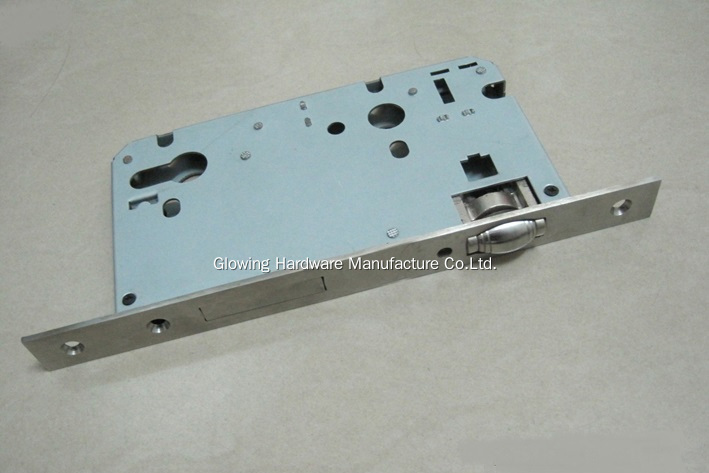
Backset is the horizontal distance from the door edge to the centerline of the operating hardware. On a mortise lock, that usually means the distance from the door edge to the center of the spindle hub or the cylinder center, depending on the lock and the trim set.
Because mortise locks contain multiple functional elements inside the door, backset affects more than handle location. It impacts:
Where the spindle hub lands relative to the face of the door
Where the key cylinder or thumbturn aligns with pre-drilled holes
How much wood or metal remains around the mortise pocket for structural strength
Whether the latch tongue travels cleanly into the strike without rubbing
Backset is often confused with case depth or overall lock dimensions. Backset is a single reference distance that tells you how far the functional center is set back from the door edge. Once you understand that reference point, measuring becomes straightforward.
You can measure backset with basic tools. Accuracy improves when you measure from the right reference surfaces and confirm with a second check.
Recommended tools:
Tape measure with a firm hook
Rigid ruler or caliper for small tolerance checks
Pencil or masking tape for marking centerlines
Screwdriver for removing trim if needed
Flashlight for reading markings on the lock case
Preparation tips:
Measure with the door closed if you are checking alignment with the strike, but measure with the door open when removing trim or inspecting the mortise pocket.
Confirm whether you are measuring in millimeters or inches and keep units consistent across all notes.
If the lock is installed, identify the true door edge line. Decorative faceplates can create optical offsets if the edge is beveled or rounded.
When the mortise lock is already installed, the fastest method is measuring from the door edge to the center of the spindle hub or cylinder, using visible door prep points.
Locate the square spindle that the lever handle uses, or the handle hole center if the handle is removed.
Place the tape measure at the door edge, not the faceplate edge. The door edge is the vertical plane where the latch exits.
Measure straight across to the center of the spindle. Keep the tape perpendicular to the door edge, not angled.
Record the distance.
This measurement is typically used when replacing a mortise lock but keeping the same lever trim alignment.
Identify the key cylinder centerline, usually the middle of the cylinder hole on the door face.
Measure from the door edge to the cylinder centerline.
Record the distance and note whether it is to the key cylinder or thumbturn, because some configurations position these differently.
This measurement matters most when you are replacing a mortise lock and must match existing cylinder holes.
If you can access the lock body markings or see the hub through the mortise opening, confirm the centerline by referencing the lock case hub location. This reduces the risk of measuring to a misaligned or worn trim piece.
Practical checkpoint:
If your door has existing prep holes, the backset must match the prep. You should not force a lock with a different backset into the same door unless you plan to re-prep the door properly.
If the mortise lock is not installed, measuring is cleaner and often more accurate.
Place the lock case on a flat surface with the faceplate side facing left or right.
Identify the faceplate reference line. The faceplate is the part that sits flush against the door edge.
Find the spindle hub center. This is the square follower hole where the handle spindle passes through.
Measure from the faceplate reference line to the center of the spindle hub.
Record that distance as the backset.
If the lock has a cylinder position:
Measure from the faceplate reference line to the cylinder centerline as well.
Note whether the lock is a sash lock, deadlock, bathroom lock, or an escape function, because the internal layout and center references may vary.
A useful recording format is:
Backset to handle hub: value
Backset to cylinder: value
Lock case overall depth: value
Door thickness compatibility: value
This ensures your procurement notes are complete and helps avoid mismatched trim sets later.
Backset varies by market, door design, and hardware standards. Many projects use a small set of common backsets, but you should always verify your actual door prep.
Typical mortise lock backset ranges:
Medium backset for standard door styles
Deeper backset for wider stile doors or specific design requirements
Project-specific backset for hotel or commercial doors where trim layout is standardized across a property
Backset selection affects more than positioning:
A deeper backset moves the handle inward, which may improve clearance on narrow frames but can reduce edge strength if the door stile is not wide enough.
A shallower backset keeps hardware closer to the door edge, which can be beneficial on narrow stile doors but may affect hand clearance near the frame.
When specifying for new doors, select the backset that matches the door stile width, hardware style, and any building standardization requirements. For replacement work, match the existing prep unless there is a strong reason to re-prep.
If you are sourcing for projects and need consistent mortise lock configurations with clear matching guidance, Glowing Hardware provides category-based options that support standardized project selection: mortise lock.
Backset measurement errors are often small but create large installation issues. The most common mistakes include:
Measuring from the face of the door instead of the door edge
Backset is always referenced from the door edge plane. Measuring from the face shifts the value and causes incorrect lock selection.
Measuring to the edge of the spindle hole rather than the center
Always measure to the centerline. If you measure to the rim, your result will be off by half the hole diameter.
Angled tape measure
If the tape is angled, it increases the reading. Keep it perpendicular to the door edge.
Confusing backset with case depth
Case depth is the full dimension of the lock body front to back. Backset is only to the hub or cylinder center.
Ignoring door bevel
Many doors are slightly beveled at the latch edge. Always reference the true door edge line where the faceplate sits.
Not matching trim set geometry
Even if the backset is correct, the trim and spindle positions must align. If you swap to a different trim system, confirm the spindle hub height and center spacing as well.
A reliable approach is to measure twice using two methods. For installed locks, measure to spindle center and also confirm by measuring to cylinder center if applicable.
Glowing Hardware focuses on practical support that helps projects select and install mortise locks correctly, especially in hospitality and construction engineering contexts where consistent door hardware performance matters.
Our core services include:
Project-oriented hardware support
We work with clients whose door hardware needs repeat across multiple doors, floors, or building sections, helping reduce variation and installation issues.
OEM and customization service
A professional team supports customization requirements, including configuration alignment, trim compatibility, and specification matching for project standards.
Installation guidance
We provide clear guidance for measurement, selection, and fitting logic so installers can reduce rework and achieve consistent results across sites.
Problem-solving support
When door prep, trim alignment, or lock selection issues appear on-site, we assist with practical solution pathways to restore fit and performance.
Solution-based supply
We support coherent mortise lock selection that fits door structure, usage intensity, and long-term maintenance needs, rather than treating hardware as isolated parts.
To review the stainless steel mortise lock options and related configurations, you can browse here: mortise lock.
Measure from the door edge to the center of the handle spindle hole on the door face. This is usually visible once the lever handle is removed or when you can identify the spindle centerline through the trim.
If you are replacing the lock case and keeping the same trim set, the spindle backset is often the priority. If you must match existing cylinder holes, measure to cylinder center as well. For best accuracy, record both.
This often happens when the measurement is taken from the wrong reference line, such as the edge of the faceplate rather than the door edge plane, or when measuring to the side of a hole rather than the centerline. Re-measure with a perpendicular tape position.
Only if you plan to re-prep the door properly. Different backsets change the internal lock pocket position and the external trim alignment. Forcing a different backset into existing prep can weaken the door edge and cause handle or latch misalignment.
For accurate selection, record door thickness, lock case depth, faceplate height, center distance between handle and cylinder if applicable, and the handing of the door. These details help ensure both functional and aesthetic alignment.
Measuring mortise lock backset is not complicated, but it must be done consistently from the correct reference line. Once you confirm whether you are measuring to the handle spindle center or the cylinder center, you can match lock specifications confidently, avoid rework, and ensure smooth operation after installation. For projects requiring reliable mortise lock configurations and selection support, the most effective approach is to document all key dimensions clearly and select hardware built for consistent fit across real doors.