Mortise Locks are often described as a more secure locking solution than standard cylindrical or tubular locks. In many commercial buildings, hotels, and high-traffic doors, mortise locks are the default choice because they are built around a heavier internal case, stronger latch and bolt options, and more robust mounting inside the door. But security is not just a label. Whether a mortise lock is more secure depends on how it is designed, installed, and paired with the door, frame, strike, and cylinder.
This guide explains what makes mortise locks strong, how they compare to other lock types, and how to select a mortise lock system that improves real-world door security. If you want to review mortise lock configurations and hardware options used in project applications, you can reference our category here: mortise lock.
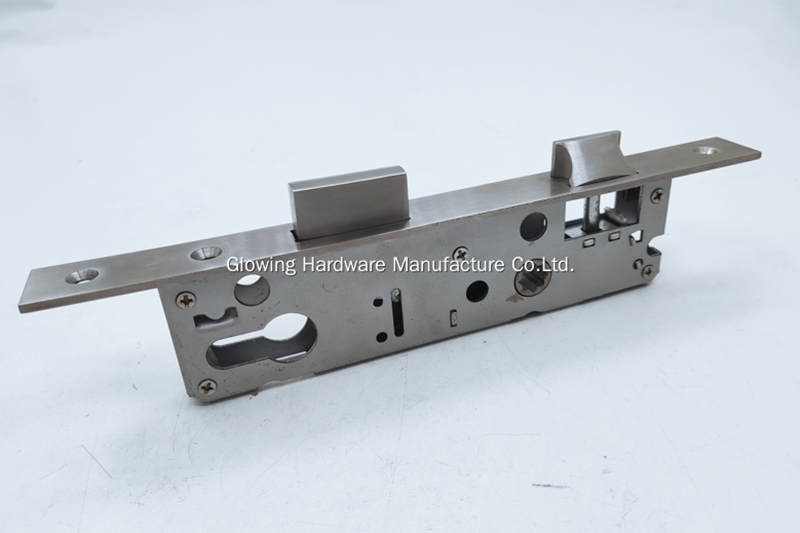
A mortise lock is installed into a rectangular pocket cut into the edge of the door, called a mortise. The lock body sits inside the door rather than being mounted mainly through a round bore hole. This internal case design changes how force is transferred during an attack.
In practical terms, security improves when:
The lock case distributes load across a larger internal area of the door
The latch and deadbolt mechanisms are heavier and better supported
The lock is anchored with a faceplate and through-fixings designed for high cycles
The trim, spindle, and cylinder interface is built for stable alignment over long-term use
Because the lock case is enclosed and supported by the door structure, the system can resist twisting and prying forces better than many lighter-duty lock formats, especially when paired with a reinforced strike and a suitable door material.
Mortise locks are not automatically secure simply because they are mortise locks. They tend to be more secure because the design allows stronger components and more stable installation. The following factors are typically the reason buyers choose mortise locks for higher-security doors.
A mortise lock case is generally larger and more rigid than the internal parts of many tubular locks. The heavier case can support stronger springs, thicker latch components, and a more substantial deadbolt. This improves resistance to wear and helps the lock maintain full bolt extension over time.
Forced entry often targets the latch area where the door meets the frame. Mortise locks commonly use more robust latches and deadbolts and can be paired with heavy-duty strikes and reinforced frames. When the strike is properly aligned and reinforced, the door edge area becomes harder to defeat with prying.
Many mortise locksets include a dedicated deadbolt or allow configurations with both latch and deadbolt in a single case. A properly extended deadbolt with good throw length and a reinforced strike typically increases resistance to kick-in attacks compared to latch-only locking.
Security is reduced when a door does not latch properly due to sagging hinges or worn hardware. Mortise lock systems are commonly selected for high-cycle use because they can maintain consistent engagement between latch/bolt and strike with fewer alignment failures. When the door reliably latches, the security benefit is real.
Cylindrical locks are widely used and can be secure in many residential applications, especially when paired with a strong deadbolt. But mortise locks often offer advantages in environments where doors are used heavily and where hardware must remain stable for years.
| Feature | Mortise lock | Cylindrical lock |
|---|---|---|
| Installation method | Lock case set into a door pocket | Lock fits through a bored hole |
| Internal case strength | Typically higher due to larger case | Typically lighter internal structure |
| High-cycle durability | Commonly used for heavy traffic doors | Varies, many are mid-duty |
| Deadbolt integration | Often available in the same lock body | Often separate deadbolt needed |
| Strike and frame pairing | Frequently designed for commercial strikes | Often uses lighter strike plates |
| Field repairability | Components often serviceable | Often replaced as a unit |
The strongest conclusion is that mortise locks tend to be better suited for high-traffic and project doors where long-term stability and robust bolt engagement are priorities. For residential doors, a well-installed cylindrical lock plus a strong deadbolt can still provide good security, so selection should be based on door usage and risk level.
Many buyers focus on the lock type and ignore the rest of the system. But door security is a system issue, not a single product issue. A mortise lock can outperform other locks only when the door, frame, and hardware details support it.
A mortise lock installed in a weak door offers limited security. For example, hollow-core interior doors are not designed for high-security locking. Security improves significantly when the door has a solid core or reinforced structure that supports the mortise pocket without cracking.
A strong lock on a weak frame is a common failure point. If the strike plate is secured with short screws into soft trim wood, the door can still be forced open. Reinforced strike boxes, longer screws into structural framing, and correct strike alignment matter as much as the lock.
If the lock uses a cylinder, cylinder selection determines resistance to picking and drilling attacks. A high-quality lock case paired with a weak cylinder reduces overall security. Buyers should consider cylinder features appropriate for the risk level and region.
A mortise lock must sit flat in the mortise pocket and align correctly with the strike. Misalignment can lead to partial bolt extension or a latch that does not fully engage. That reduces security even if the lock is strong on paper.
Mortise locks are used in many applications, and the feature set can vary significantly. When evaluating whether a mortise lock is more secure, focus on measurable design details that influence forced-entry resistance and operational reliability.
Security-supporting features often include:
A dedicated deadbolt with sufficient throw and clean strike engagement
A solid latch and reinforced latch support inside the case
A heavy-duty strike that supports the bolt and reduces frame damage
Tight tolerances at the hub and spindle to reduce looseness and trim play
A lock case designed for high cycle count to maintain consistent engagement
Compatibility with door closers and high-traffic doors without latch failure
Security also improves when the mortise lock is part of a complete Door Hardware plan, where hinges, closers, seals, and frame design support consistent closing and latching.
If you are sourcing mortise lock solutions intended for high-use doors and project environments, you can review available configurations here: mortise lock.
Mortise locks are commonly selected when security requirements combine with durability requirements. They are especially suitable when the door is used frequently and must remain stable over time.
Typical situations where mortise locks are a strong choice:
Hotel guest room doors where durable, consistent latching is critical
Commercial office doors with high daily traffic and long service expectations
Apartment and multi-family entry doors where hardware must withstand frequent use
Public building doors where reliable engagement reduces safety and security risk
Project doors that require standardized hardware across many openings
In these settings, the stronger internal structure, serviceable design, and compatibility with reinforced strikes can make mortise locks a more secure and more stable solution over the life of the building.
Glowing Hardware supports mortise lock selection and supply with a project-oriented approach designed for hospitality and construction engineering needs. Security outcomes depend on correct configuration, consistent fit, and stable installation across many doors. Our core support focuses on reducing selection errors and improving installation consistency.
Our services include:
Project hardware support for standardized door lock requirements
OEM and customization service supported by a professional design team
Installation guidance to help reduce misalignment and rework
Problem-solving support for on-site fitting and compatibility challenges
Solution-based supply that considers doors, frames, strikes, and usage intensity
To review our mortise lock range and explore configuration options for your project requirements, visit: mortise lock.
Not always. Mortise locks are often more secure because they can use stronger internal cases and deadbolt options, but overall security depends on door strength, frame reinforcement, cylinder quality, and installation alignment.
It can, especially when paired with a reinforced strike and strong frame anchoring. If the strike is weak or the frame is not reinforced, any lock type can fail under force.
Picking resistance is primarily determined by the cylinder, not the lock case type. A mortise lock with a higher-security cylinder generally improves resistance compared with a basic cylinder.
It is possible but requires proper door preparation, including cutting a mortise pocket and ensuring correct alignment with the strike. This is usually a professional installation task to avoid weakening the door.
Strike reinforcement and frame anchoring are often the most overlooked. A strong lock paired with a weak strike can still be defeated. Reinforcing the strike area improves real forced-entry resistance.
In most commercial and project-based applications, a mortise lock is considered more secure because its internal structure allows for a stronger lock case, more robust latch and deadbolt options, and better load distribution within the door. When properly installed, a mortise lock can resist forced entry more effectively and maintain reliable engagement over long-term, high-frequency use.
However, security is never determined by the lock alone. The door material, frame strength, strike reinforcement, cylinder quality, and installation accuracy all play critical roles. A well-installed mortise lock paired with a reinforced frame and suitable door construction offers a higher and more stable level of security than many lighter-duty alternatives.
For projects where durability, consistency, and long-term performance matter, mortise locks remain a preferred solution. When selected and installed as part of a complete door hardware system, they provide both functional reliability and enhanced security throughout the service life of the building.