Choosing a High Safety Fingerprint Door Lock is no longer just about replacing a traditional key. For many homes, apartments, offices, and project spaces, a smart lock has become part of daily life. People want faster access, easier control, and better security, but they also want a product that feels reliable over time. That is why choosing the right fingerprint door lock should never be based on appearance alone. A good lock needs to combine security, durability, convenience, and real compatibility with the door where it will be installed.
A high safety fingerprint door lock is meant to make entry easier without making protection weaker. It should recognize users quickly, support different unlocking habits, and still perform well under daily use. In real life, that means the lock should work smoothly when people are leaving in a hurry, coming home with bags in hand, or managing access for family members, guests, or staff. The better the lock fits these everyday situations, the better its long-term value.
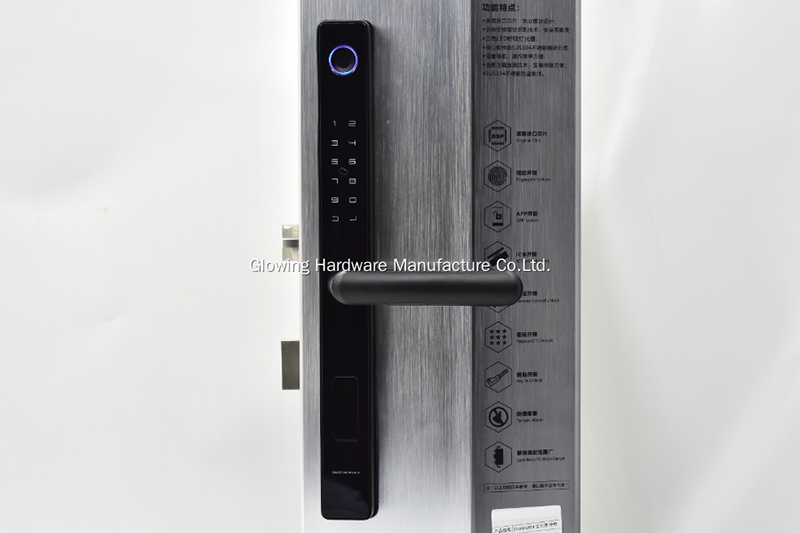
The first thing to look at is security itself. Many smart locks can unlock with a fingerprint, but not all of them offer the same level of protection. A high safety fingerprint door lock should be designed not only for convenience, but also for stronger control over who can enter and how the system responds to daily use.
One of the most practical things to check is how many unlocking options the lock offers. Fingerprint access may be the main feature, but real households and real workplaces rarely use only one method all the time. Sometimes a password is easier. Sometimes a mechanical key is still necessary as a backup. In some cases, remote control from a mobile phone can be especially useful.
A fingerprint door lock with multiple unlocking methods is often the better choice because it adapts more naturally to different users and different situations. This is important for family homes, rental spaces, offices, and project buildings where one door may be used by more than one type of user. Flexibility does not reduce security when the system is designed properly. Instead, it makes the lock more practical and easier to live with every day.
Material matters more than many buyers first expect. A smart lock is not just an electronic product. It is also a piece of entry hardware that gets touched, pulled, and used repeatedly. If the outer body is weak or poorly finished, the product may look worn too quickly or feel less dependable over time.
A fingerprint door lock made from aluminium alloy is often a practical choice because it offers a balance between strength, corrosion resistance, and a clean modern appearance. This kind of material is suitable for daily Door Hardware use and fits both residential and commercial settings. A lock that feels solid in hand usually gives buyers more confidence, especially when it is being chosen for front doors or frequently used entry points.
Before choosing a smart lock, buyers should always check door compatibility. This step is easy to overlook, but it is one of the most important. A lock may have strong features, but it still needs to fit the actual installation environment.
A practical fingerprint door lock should work with common door materials such as wooden doors, metal doors, and steel doors. It should also be suitable for both interior and exterior applications when needed. This matters because different projects have different entry conditions. A home renovation may focus on a wooden main door, while an office or apartment project may use metal or steel doors. The more adaptable the lock is, the easier it becomes to use across different applications.
A high safety fingerprint door lock should make life easier, not more complicated. That sounds simple, but it is one of the best ways to judge whether a smart lock is actually useful. Fingerprint unlocking should feel natural and quick. The menu or user interface should not be confusing. Remote control functions should help instead of adding unnecessary steps.
Daily convenience also means being able to manage the door even when you are not standing in front of it. Remote access from a mobile phone can be helpful for checking door activity, changing settings, or locking and unlocking the door when needed. For some users, this is especially useful in family homes, rental units, and offices where access needs can change during the day.
A smart lock may look advanced on paper, but if it feels awkward to use, people will notice it very quickly. That is why user experience should always be part of the decision. The fingerprint sensor should respond in a smooth and reliable way. The keypad should be easy to read. The handle and body should feel sturdy, not loose or fragile.
This part matters even more in shared-use environments. In a family home, children, adults, and elderly users may all need to use the same lock. In an office or rental project, different people may interact with it for the first time without training. A good fingerprint door lock should feel easy to understand from the beginning, even for someone who has never used that exact model before.
For individual buyers, after-sales support adds confidence. For distributors and project buyers, it can be even more important. A smart lock is not only a hardware item. It also includes electronic functions, setup steps, and usage questions that may come up after installation.
That is why support services such as technical assistance, training, and inspection are worth noticing. A supplier that can provide these services is usually better prepared for larger orders, project cooperation, and long-term business relationships. In practical sourcing, product quality and service quality often matter together.
The right fingerprint door lock for one project may not be the best one for another. For a private home, convenience and family access may be the main priorities. For an office, access control and daily frequency of use may matter more. For a property development project, durability, compatibility, and order stability may be the key concerns.
Looking at the real application usually leads to a better decision than looking at the product category alone. A smart lock should fit the way the door is used every day. It should support the people who use it most often, the type of building where it is installed, and the level of security the project actually needs.
More buyers are moving toward fingerprint door locks because they offer a better balance between convenience and control than traditional locks. People still care about security, but they also want easier daily use. A fingerprint door lock answers both needs when it is chosen carefully.
This product category is growing because it fits the way modern spaces are changing. Homes are becoming smarter, offices need smoother access management, and many property buyers now expect digital entry solutions as part of the overall building experience. A high safety fingerprint door lock is not just a trend item. It is becoming a practical standard for many types of doors and projects.
Choosing the right high safety fingerprint door lock means looking at the full picture: security, unlocking methods, material quality, compatibility, user experience, and after-sales support. The best choice is usually the one that feels secure, works smoothly every day, and fits the real door and real users it is meant for.
If you are comparing fingerprint door lock options for residential supply, commercial use, or project sourcing, it is worth taking time to choose a model that balances safety and convenience in a practical way. If you need more details about specifications, door suitability, or order support, feel free to contact us. We can help you find a fingerprint door lock solution that fits your market and your project needs.
Previous: