A Mortise Lock is a type of door lock that is installed inside a pocket cut into the edge of the door. Instead of sitting only on the surface, the lock body is fitted into the door itself, which gives the whole system a more integrated structure. This is one reason mortise locks are widely used on residential doors, commercial doors, passage doors, and many project-based installations. The lock body stays hidden inside the door, while the handle, cylinder, escutcheon, or trim remain visible on the outside.
Compared with simpler locking hardware, a mortise lock is usually chosen when buyers want a more stable internal structure and a more complete door locking system. It is not only a latch. It is a lock body designed to work together with a handle and other Door Hardware parts. That combination gives the door a cleaner appearance and a more solid operating feel in daily use.
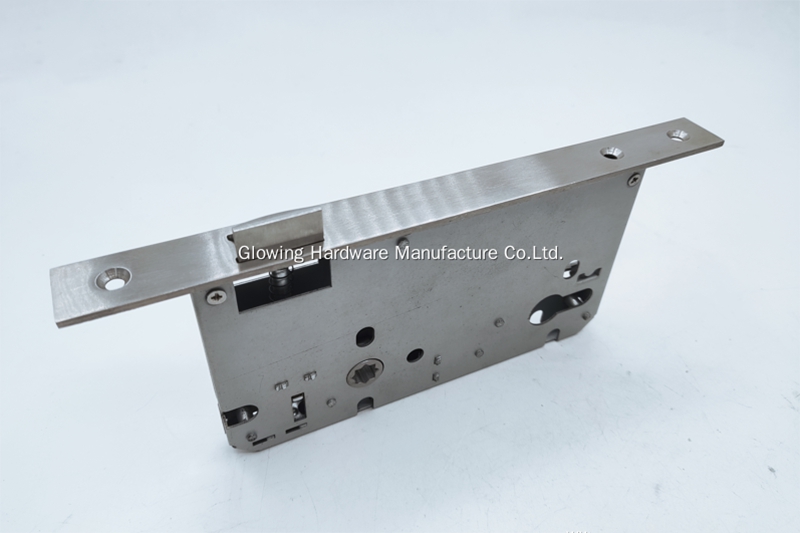
A mortise lock works by placing the main lock body inside a rectangular cavity in the door. Once installed, the lock connects with the handle spindle and, depending on the design, may also connect with a cylinder or key mechanism. When the handle is pressed, the latch retracts. When the door closes, the latch returns into position and helps keep the door shut.
This internal structure is one of the main differences between a mortise lock and more basic lock types. Because the body is housed inside the door, the mechanism feels more compact and protected. In practical use, this often creates a smoother opening and closing experience, especially on doors that are used frequently. The latch mortise lock on the referenced product page is described as designed so the door opens and closes smoothly, with attention to durability and impact resistance over time.
That matters because a lock is used repeatedly every day. A good mortise lock should not only secure the door. It should also keep the movement stable and predictable after long-term use.
The name comes from the word mortise, which refers to a cavity cut into material so another part can fit inside it. In woodworking and door hardware, that means a pocket is made in the edge of the door, and the lock body is inserted into that space. The lock is therefore not mounted only on the surface. It becomes part of the door structure itself.
This is why mortise locks are often associated with a more built-in and project-oriented door solution. The installation takes more preparation than a very simple surface-mounted product, but the result usually looks cleaner and feels more integrated with the door.
Mortise locks are commonly used on wooden doors, steel doors, and passage doors. They are popular in both residential and commercial settings because they work well in spaces where reliable door operation and a neater hardware layout are important. The latch mortise lock on the product page is specifically described as suitable for wooden, steel, and passage doors, and for both residential and commercial use.
This broad use is one reason the mortise lock remains a standard choice in many door hardware projects. In homes, it can be used on room doors or entry-related interior doors. In commercial spaces, it is often selected because the internal lock body and handle system create a more durable feeling under repeated use.
The exact application depends on the lock type. Some mortise locks are privacy-oriented, some are passage-oriented, and some are built for stronger locking functions. But the core idea stays the same: the lock body sits inside the door and works as part of a complete hardware system.
A latch mortise lock is a version of the mortise lock that focuses mainly on latching function. In this style, the latch helps hold the door shut and works with the handle for opening and closing. This type is often used where smooth daily operation matters more than heavy security.
For example, the referenced latch mortise lock model is presented as a European-style latch mortise lock designed for reliable opening and closing, with impact-resistant construction and stainless steel components intended for long-term use. It is offered with multiple backset options, two center distances, and round-head or square-head front plate styles, which helps it fit different door configurations.
This flexibility is useful for importers, project buyers, and door manufacturers because door preparation is not always identical across markets. A lock body that offers several dimensional options is easier to match with different door designs.
One reason buyers choose mortise locks is structure. Because the lock body is placed inside the door, the system usually feels more stable than simpler hardware solutions. Another reason is compatibility. Mortise locks can work with different handles, cylinders, and trim styles, which makes them useful in projects where appearance and function both matter.
Material also plays an important role. The latch mortise lock shown on the product page includes front plate options in SS201 or SS304, bolt options in stainless steel, brass, or zinc alloy, and a shell in electrolytic steel or steel. These choices show how mortise lock construction can be adapted to different requirements around cost, finish, and durability.
For buyers, this is important because a lock body is not judged only by how it looks in a catalog. It needs to perform well after installation, especially when doors are opened and closed many times each day.
When selecting a mortise lock, dimensions matter. The center distance, backset, front plate shape, front plate width, and thickness all affect whether the lock will fit the door and match the handle setup correctly. If these details are wrong, even a high-quality lock may not install properly.
The latch mortise lock on the product page is listed with 72 mm and 85 mm center distance options, backsets from 40 mm to 70 mm, a 20 mm front plate width, and a 3 mm plate thickness. It also supports both round-head and square-head front plate types.
These details may seem small, but they are essential in actual sourcing work. A mortise lock must match the door preparation accurately. That is why experienced buyers usually confirm dimensions early instead of choosing only by appearance.
In modern door hardware projects, mortise locks remain highly relevant because they support both function and finish. A project may need a lock body that works with contemporary lever handles, stainless steel trim, or commercial door systems while still maintaining dependable daily operation. Mortise locks fit this kind of requirement well because they are part of a broader door hardware system rather than a single isolated component.
They are also widely used in OEM and bulk supply environments. The product page notes a minimum order quantity of 300 pieces, sample availability, and standard export carton packaging, which reflects how this kind of mortise lock is often supplied for broader trade and project use rather than only for one-off retail purchase.
That supply model matters for wholesalers, contractors, and hardware distributors who need consistent specifications across multiple doors or multiple orders.
Before selecting a mortise lock, it helps to think about the door material, the intended use, and the hardware combination that will be installed with it. A wooden passage door may need different priorities than a steel commercial door. Some projects care most about smooth handle action. Others care more about structural durability, dimensional compatibility, or finish coordination.
It is also wise to consider how the lock will be used over time. A lock on a frequently opened door should have dependable materials and a stable latch response. A lock in a coordinated project should also match the handle system and installation dimensions cleanly.
In other words, choosing a mortise lock is not just about choosing a lock body. It is about choosing a door hardware foundation that supports the full door setup.
A mortise lock is a lock body installed inside a cut-out section of the door, creating a more integrated and stable locking system. It is widely used on wooden, steel, and passage doors and is common in both residential and commercial applications. A latch mortise lock, in particular, focuses on smooth opening and closing while still providing a reliable built-in door control structure.
For buyers, the value of a mortise lock comes from its structure, compatibility, and long-term practicality. Material choices, backset options, center distances, and front plate styles all influence whether the lock will perform well in a real project.
If you are comparing mortise lock options for door manufacturing, wholesale supply, or building projects, feel free to contact us. We can help you review dimensions, material choices, and application needs so you can choose a more suitable lock body for your market.