
A glass shower door that does not close smoothly can quickly become a problem in daily use. Sometimes the door starts dragging on the floor. Sometimes the gap becomes uneven. In other cases, the door no longer lines up with the magnetic seal, which leads to water leakage, noise, or a loose closing feel. For homeowners this is annoying. For project buyers, contractors, and hardware distributors, it is something more serious because repeated adjustment issues often turn into return claims, service calls, and complaints about installation quality.
That is why understanding how to adjust a glass shower door pivot hinge matters. The adjustment itself is only one part of the job. The other part is choosing a hinge structure that stays stable after repeated opening and closing. In many projects, the real issue is not that the hinge cannot be adjusted. The issue is that the hinge material, machining accuracy, bearing performance, or load support is not strong enough for long-term use. A well-made pivot hinge helps reduce later maintenance and keeps the glass door working the way it should.
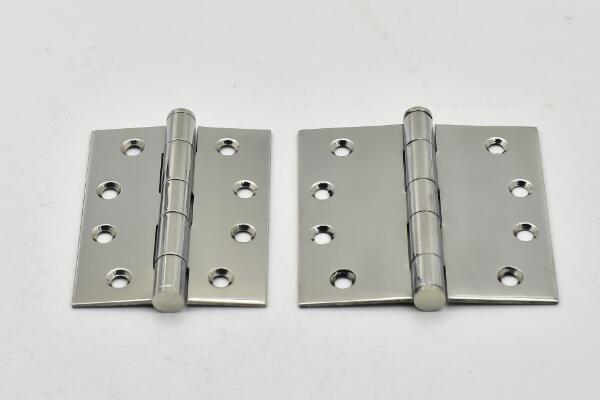
A shower door rarely goes out of position for only one reason. In most cases, the problem builds slowly. The door may have been installed correctly at first, but daily use, door weight, humid conditions, minor settling, or repeated impact during closing can gradually shift the working position. When this happens, the first visible signs are usually rubbing, sagging, poor alignment, or resistance during movement.
Glass doors place very direct force on the pivot point. If the hinge body is not rigid enough, if the pivot center is slightly off, or if the mounting position was not fully squared during installation, the problem becomes more obvious over time. In wet areas such as shower rooms, hardware also needs strong resistance to rust and surface wear. That is one reason buyers often pay close attention to stainless steel grade and finishing consistency when selecting pivot hinge products.
For commercial supply, this point matters more than many people expect. A hinge may look similar in photos, but stability in real installation depends on material strength, machining precision, and how well the hinge handles repeated motion under load. When the hinge quality is reliable, adjustment becomes simpler and less frequent.
When people ask how to adjust a glass shower door pivot hinge, they usually mean one of three things. The first is correcting door sag so the leaf no longer drops or rubs. The second is improving side alignment so the gap looks even and the door meets the closing side correctly. The third is restoring smooth swing action when the door feels tight, heavy, or slightly mispositioned.
In practical terms, hinge adjustment is not about forcing the glass back into place. It is about checking whether the pivot point, fixing screws, gasket pressure, and installation position are still correct. A good adjustment should improve movement without creating too much pressure on the glass. That is especially important for frameless or semi-frameless shower applications, where the hardware must hold the glass securely while still allowing clean and stable motion.
This is where product selection connects directly with maintenance. If the pivot hinge is engineered with stable structure and good bearing action, the installer has more control during fitting and later fine tuning. If the hinge has poor tolerance or inconsistent production, even a skilled installer may struggle to keep the door properly aligned for long.
Before adjusting the hinge, it helps to look at the whole door as a working system. The first thing to check is the gap around the glass panel. If the top gap is narrow on one side and wider on the other, the door may have dropped slightly or the vertical line may have shifted. If the bottom edge touches the threshold or floor sweep, the problem often points to sag or pivot position change.
Next, open and close the door slowly. This tells you where the resistance happens. If the rubbing starts only near the end of closing, the alignment with the closing edge may be off. If the door feels heavy throughout the swing, the pivot tension or hinge body position may need attention. If the door makes noise or feels loose, the fixing points should be checked for movement.
It is also worth checking whether the issue comes from the hinge or from the installation surface. In some projects, the wall condition, glass cut tolerance, or door weight distribution affects the final working position. Buyers who source for repeated projects often pay attention to this because hardware complaints are not always caused by hardware failure alone. Good hinge design helps, but consistent installation conditions are part of the final result.
The correct way to adjust a pivot hinge depends on the hinge design, but the general principle is always the same. The door should be supported first, then the fixing points should be loosened only enough to allow controlled repositioning. The hinge should never be forced while the full door weight is pulling against the screws. That increases the risk of misalignment and may place unnecessary stress on the glass.
Once the door is supported, the installer can make small position corrections and check the gap again. This work should be done gradually rather than in one large movement. A small shift at the hinge can create a visible difference at the edge of the glass. After each adjustment, the door should be opened and closed several times to confirm that the movement is smooth and that the closing line remains even.
The most common mistake is tightening everything too quickly before confirming the final position. Another common issue is focusing only on the rubbing point without checking whether the whole door has remained square. In shower hardware work, accuracy matters more than speed. A careful adjustment usually saves more time than repeating the same service visit later.
For project buyers, this is also why after-sales guidance is valuable. When the supplier understands hinge structure and real installation conditions, support becomes much more practical. It is not only about selling a hinge. It is about helping the installer achieve stable performance after fitting.
In shower hardware, appearance matters, but long-term reliability matters more. A pivot hinge works in a humid environment and carries repeated movement every day. If the material grade is weak or the internal performance is unstable, small alignment issues are more likely to appear later. Stainless steel remains a preferred choice because it supports corrosion resistance, structural strength, and a cleaner finish for bathroom use.
For buyers serving different market levels, material options can also affect project positioning. A hinge available in stainless steel grades such as SS201, SS304, and SS316 gives more flexibility for different environments and budget ranges. In standard indoor applications, this allows a practical match between cost and performance. In more demanding environments, higher corrosion resistance may be the better long-term decision. Thickness choice also matters because it affects rigidity, support, and the overall working feel of the hinge.
This is why many professional buyers no longer look only at shape or finish. They want to know whether the hinge body is stable, whether the movement stays smooth, whether the finish is consistent, and whether the product can support repeated use without constant correction. Those points have a direct influence on maintenance frequency and customer satisfaction after installation. :contentReference[oaicite:1]{index=1}
For distributors and project purchasers, adjustment issues are often tied to a larger concern. They do not want hardware that creates repeated callbacks. A hinge may appear competitive on price, but if installers keep returning to realign doors, the total cost becomes much higher. Labor, replacement, project delays, and reputation loss can all end up costing more than the original hardware saving.
Another pain point is consistency. In project work, buyers need products that perform the same way from batch to batch. If one hinge works smoothly but the next shipment has different tolerance or finish quality, installation becomes harder and complaint rates rise. This is especially important for shower door applications because glass hardware leaves little room for visible error. Even a small inconsistency can affect the final fit.
Lead time and technical communication are also part of the buying decision. A supplier that can explain material options, thickness, finish, application range, and after-sales support helps buyers reduce uncertainty before ordering. For many professionals, that support is just as important as the hinge itself.
The reason a door pivot hinge belongs in a discussion about adjusting glass shower doors is simple. Adjustment becomes easier and more reliable when the hinge itself is made with stable material, accurate structure, and dependable movement. A pivot hinge that supports smooth opening and long service life gives installers a better starting point and gives end users a better daily experience.
For buyers who handle Door Hardware across residential and project channels, a stainless steel pivot hinge with multiple material choices, thickness options, finish customization, and technical support is often more attractive because it covers more application needs with one product family. That kind of flexibility helps buyers standardize sourcing while still adapting to different project requirements.
Instead of treating adjustment as only a repair issue, it makes more sense to see it as part of the full hardware decision. The better the hinge quality, the lower the chance of repeated adjustment later. That is what many professional buyers are really looking for when they compare hardware suppliers.
If a glass shower door pivot hinge needs adjustment, the best approach is to check the alignment carefully, support the door correctly, make small controlled corrections, and confirm smooth movement before final tightening. In many cases, the visible problem is only the result of a deeper issue such as hinge stability, material quality, or long-term load performance.
That is why choosing the right pivot hinge matters from the beginning. A well-made stainless steel hinge helps reduce service calls, improves installation confidence, and supports a more stable finished result in bathroom and architectural hardware projects. If you are reviewing pivot hinge options for shower doors or related door hardware applications, feel free to contact us. We can help you evaluate suitable material, thickness, finish, and application details, and we can also provide practical guidance for product selection and installation support.
Previous: