Losing a key does not always mean you are locked out of your own door. In many homes, hotels, offices, and apartment projects, the answer is no longer a spare mechanical key hidden somewhere nearby. It is a smarter locking system that gives users more than one authorized way to enter. That is why this question now matters in a different way. Instead of asking how to bypass a lock, more buyers are asking how to avoid key-related access problems in the first place.
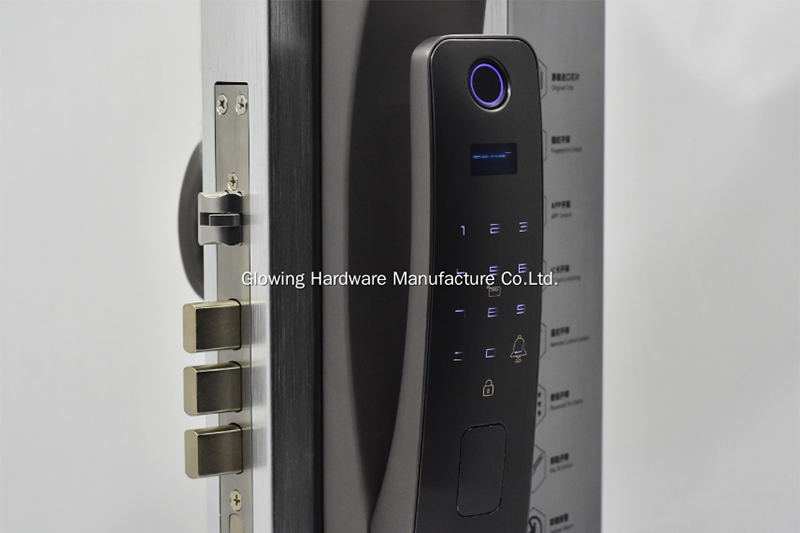
That is where a Fingerprint Keypad Door Lock becomes useful. A modern smart lock can open through fingerprint, password, card, or mechanical backup key, which means the user is not depending on one single access method every day. For property developers, hotels, office managers, and distributors, this is not only a convenience feature. It is part of access control, user experience, and after-sales reliability. Our smart lock direction fits this topic naturally because it is designed for wooden doors, metal doors, steel doors, interior doors, and exterior doors, and supports multiple unlocking methods in one system.
When people search for how to open the door lock without key, the safest and most practical answer is to use a door system that already gives you an authorized keyless entry method. In daily life, that usually means fingerprint access, keypad code entry, card access, or a managed digital access solution. These are designed for normal use. They reduce the risk of lock damage, avoid panic when keys are forgotten, and make entry faster for people carrying bags, packages, or work items.
This matters even more in commercial and residential projects. A door should be easy for the right user to open and difficult for the wrong person to access. That balance is exactly why smart locks have become more attractive than single-function mechanical locks in many newer projects.
The most direct way to open a door without a key is fingerprint access, if the lock has that function. This is useful because the user does not need to carry anything, remember where a key was placed, or worry about a card being forgotten at home. A smart fingerprint lock also makes daily access smoother in homes with children, older family members, or frequent movement in and out of the house.
Our smart lock direction supports fingerprint access together with keypad entry, card unlocking, and a mechanical backup option. The product information notes fingerprint recognition, password access, ID card access, and key access in one lock body, which gives the user several legitimate ways to enter without needing to force anything. It also mentions recognition speed and multi-user storage, which are important in real projects where convenience and response time matter.
A keypad adds another practical way to open the door without carrying a key. This is especially useful for families, offices, and managed properties where multiple people need access at different times. Instead of issuing duplicate keys and dealing with key loss, the manager can use code-based access and update permissions more efficiently.
For B-end buyers, this is one of the strongest reasons smart locks continue to gain attention. A keypad reduces the need for repeated key duplication and supports a cleaner user experience in rental properties, serviced apartments, hotel rooms, and office doors. The lock here uses a capacitive touch keypad and supports password entry as one of its standard unlocking methods, which makes the product easier to position for modern access-control expectations.
While fingerprint and keypad functions are often the most visible smart-lock features, card access is still very important in projects where user management is handled centrally. Hotels are a clear example. So are dormitories, offices, and some short-stay residential properties. In those spaces, the ability to issue, change, or expire access cards is often more practical than managing physical keys.
That is why smart-lock buyers rarely focus on only one access method. They look for a system that can serve different users under different conditions. The product here supports ID card unlocking alongside other access methods, which makes it more useful in mixed-use or professionally managed spaces than a single-mode smart lock. The application information also points to homes, hotel rooms, offices, and school dormitories, showing that the lock is intended for more than one type of access environment.
Even with smart access, buyers still care about backup plans. A forgotten code, low battery situation, or recognition problem should not immediately turn into a lockout crisis. That is why a good smart lock needs a controlled backup option. In practical use, that may be a mechanical key, an external emergency power supply, or both.
Our smart lock direction supports an external emergency power supply through a USB interface and also includes mechanical key unlocking. That is important because it keeps emergency access within the designed system rather than pushing the user toward unsafe improvisation. For distributors and project buyers, backup entry is not a side feature. It is part of whether the product feels trustworthy in long-term use.
The value of a keyless system becomes clearer when a project has many users. In offices, hotels, and larger residential programs, traditional keys create extra management work. Lost keys need replacing. Duplicate keys need tracking. Access changes require physical handover. Over time, that becomes expensive and inefficient.
A smart lock changes this by combining multiple access paths in one unit. The lock here is built from aluminum alloy, supports several unlocking methods, and is designed for door thicknesses from 35 mm to 120 mm, which broadens its fit across project types. The after-sales support listed with the product also includes online technical support, onsite training, and onsite inspection, which matters for buyers who need more than just box delivery.
Opening the door without a key should never mean reducing security. In fact, a stronger smart-lock system should improve control while making normal entry easier. That is why buyers also look at lock-body material, encryption logic, and protection against tampering.
The smart lock here is positioned with aluminum alloy construction and references encryption, anti-pry protection, and alarm functions. Whether the buyer is sourcing for villas, apartments, hotels, or office projects, those details matter because convenience alone is not enough. A smart lock must also feel durable, stable, and secure in daily use.
In smart hardware, the lock itself is only part of the decision. The supplier also matters. Installers need clear drawings. Project buyers need stable lead times. Distributors need consistency from sample to production. Private-label customers need flexible cooperation. This is where many buyers start looking beyond one product listing and begin evaluating the broader supply relationship.
The product information shows MOQ, delivery timing, packaging options, and application range, which are all practical details in B-end purchasing. For OEM and ODM customers, these are not minor questions. They affect cost planning, product rollouts, and how quickly a smart-lock line can move from sampling to actual market launch. A supplier who can support these steps is far more useful than one who only offers a finished item without follow-up.
At the end of the day, the real solution to opening a door without a key is not forcing a lock. It is choosing a system that makes lawful, everyday entry easier from the beginning. Fingerprint access, keypad access, card management, mechanical backup, and emergency power support all help remove the most common causes of lockout without sacrificing security.
That is why the discussion around keyless entry has changed. Buyers are no longer only comparing lock shapes or finishes. They are asking whether the lock reduces operational friction, improves user convenience, and fits the security expectations of the project. In that sense, a smart lock is not only a hardware upgrade. It is a better access strategy.
So, how to open the door lock without key? The practical answer is to use a lock that already supports secure and authorized keyless entry, such as fingerprint, keypad, card, or backup emergency access. A Fingerprint Keypad Door Lock is designed for exactly that purpose. It helps users enter legally and conveniently while giving project buyers a more flexible and modern access solution.
If you are sourcing smart locks for homes, hotels, offices, dormitories, or private-label hardware programs, we can help you review application needs, access methods, and OEM or ODM options. Share your door type, project plan, or market requirements with us, and we can help you build a smart-lock solution that is easier to use, easier to manage, and more reliable for long-term projects.
Previous: