
A lever door handle with lock looks simple from the outside, but once it needs to be removed, many people realize the structure is more connected than expected. The handle, lock body, spindle, screws, and decorative rose all work together, so removing one part the wrong way can slow the whole job down. That is why this topic matters not only for home users, but also for contractors, project buyers, distributors, and Door Hardware importers who need products that are easier to service and easier to install again later.
In most cases, the right way to remove a lever door handle with lock is to start with the visible trim, find the fixing point, release the screws, and then separate the handle from the spindle and lock mechanism in order. The process itself is not complicated, but the result depends a lot on how the handle system was designed in the first place. A better handle makes removal cleaner. A poorly planned one usually leads to scratched trim, loose parts, or wasted time on site.
That is why front door hardware is often judged by more than appearance. Our front Door Lever Handle is made for entrance doors and public access points, so it is not only about style. It is meant to work with the lock body, square spindle, and base structure in a more stable way, which is exactly what buyers care about in real projects.
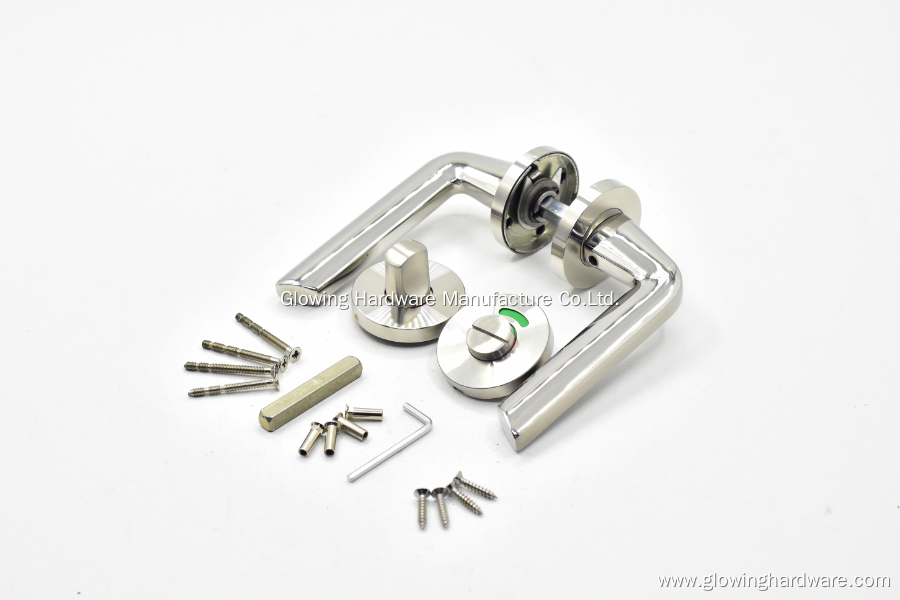
Before removing anything, it helps to understand what is actually being held together. A typical lever handle with lock is not one loose piece fixed to the door. It is a small system. The outside and inside handles connect through the spindle. The rose or base covers the fixing area. The lock body and latch work behind the handle, and all of it has to line up correctly for the opening action to feel smooth.
This is why people often get stuck at the first step. They pull at the trim or try to force the handle off without checking how it is fixed. That usually causes damage to the finish or slows down the work. A better method is to move in sequence: remove the decorative cover if needed, expose the fixing screws, release the handle set, then separate the spindle and lock components carefully.
For installers and maintenance teams, this is one of the main reasons standardized handle systems are preferred. A cleaner structure saves time not only during installation, but also during later servicing.
A plain passage handle is easier to remove because there are fewer connected parts. A lockset is different. Once a locking function is added, the relationship between the handle, lock body, spindle, and latch becomes more precise. If one part is pulled out of sequence, the rest may resist movement or sit under tension.
That is why a door lever lock should always be treated like a working assembly, not like a decorative fitting. If the handle has been used for a long time, there may also be dirt, paint, or slight movement wear around the fixing points. In commercial spaces, public buildings, villas, and entrance doors, this is very common because the hardware sees frequent use.
For B-end buyers, this becomes a practical concern. It is not enough for a handle to look right on the door. It also needs to be serviceable later. A product that is hard to remove usually becomes harder to maintain, harder to replace, and more expensive across a larger project.
A clean removal process usually starts with checking whether the decorative base can be lifted or rotated away to expose the screws. Once the fixing screws are visible, the installer can loosen them evenly instead of forcing one side first. After that, the lever set can usually be separated from the square spindle and the lock body can be checked if needed.
What makes this easier is consistency. When the base size, spindle format, and fixing logic follow a more standardized approach, the installer does not need to guess. That is one reason professional buyers often pay close attention to these small details before ordering. In one door, it may seem minor. Across a project, it affects installation time, maintenance speed, and replacement work.
Our front door lever handle is designed around a square spindle and standard base structure, which makes it more suitable for entrance systems where steady fitting and more orderly assembly matter. That kind of structure helps not only with first installation, but also with later adjustment or removal.
People usually think about material when they think about strength or appearance, but material also matters during servicing. A weak handle may deform around fixing points. A poor finish may mark too easily during removal. If the internal fit is not stable, the handle may already be loose before anyone starts taking it apart.
That is why stainless steel remains a strong choice in entrance handle systems. It gives the hardware a more dependable structure and a more stable feel under repeated use. For buyers working on residential entrances, villas, hospitals, or public projects, this matters because the handle is not decorative only. It is a high-contact product that has to stay reliable over time.
A better material base also helps the product keep a more consistent look after installation, cleaning, adjustment, and future servicing. In commercial supply, that reduces complaints and helps the project keep a more professional finish.
In larger projects, buyers do not only ask how the handle looks. They also ask how it installs, how it performs, and how easy it will be to deal with later. That is especially true for distributors, engineering contractors, estate developers, and importers who are sourcing for repeated use across multiple doors.
If a handle is difficult to remove, it usually means more labor on site and more frustration during repair or replacement. This becomes a real cost issue in public buildings and commercial spaces, where hardware may need periodic adjustment or future upgrades. A product that saves time during maintenance often brings more value than one that looks attractive but creates trouble later.
This is one reason buyers often prefer a supplier that understands door systems instead of offering isolated parts only. A handle should match the lock body, spindle, door thickness, and project requirement in a way that feels predictable.
Many buyers are not purchasing one handle for one door. They are working on housing projects, commercial buildings, villas, public facilities, or dealer programs. In those cases, standard products help, but so does controlled flexibility.
Some projects need a different handle length. Some need a different finish. Some need the base size or visual style to match a wider lock and hinge program. This is where OEM and ODM support becomes useful. It does not need to mean a completely new product every time. Sometimes it simply means giving buyers the right finish, fitting, or drawing-based adjustment so the hardware line works more smoothly in their market.
That is why a supplier matters. A supplier should not only ship handles. It should also help buyers solve fit, finish, and long-term service needs across repeated orders.
This is really the center of the topic. How to remove lever door handle with lock is partly a maintenance question, but it is also a product-quality question. A better-designed handle usually comes off in a cleaner and more logical way. The parts sit where they should. The screws are accessible. The trim works with the structure instead of hiding bad fitting.
That is why professional buyers often look beyond style. They know that easier maintenance usually begins with better engineering. For front door applications, this matters even more because entrance hardware sees more daily contact and more visible wear than interior fittings.
So, how to remove lever door handle with lock? The safest way is to work in order, expose the fixing points first, release the handle carefully, and treat the lockset as one connected system instead of forcing parts apart. The process is much easier when the handle has a cleaner structure, better material, and more consistent fitting from the start.
That is why many buyers pay attention not only to the look of a door lever lock, but also to how it installs, how it can be serviced, and whether the supplier can support project needs over time. Our front door lever handle is made for entrance doors that need a more stable structure, cleaner appearance, and better long-term usability. If you are planning a door hardware project, building a dealer line, or looking for a supplier that can support repeat orders along with OEM or ODM cooperation, send us your drawings, finish requirements, or target door details. We can help you work out a more suitable solution for your market.