Changing the code on a door lock sounds like a small task, but for most users it is really about something bigger: control. People change access codes when staff leave, when tenants move out, when a cleaner needs temporary entry, or when a property simply wants tighter day-to-day security. That is why this topic matters to more than homeowners. It matters to landlords, office managers, hotel operators, contractors, and hardware buyers who want an access system that is easier to manage after installation.
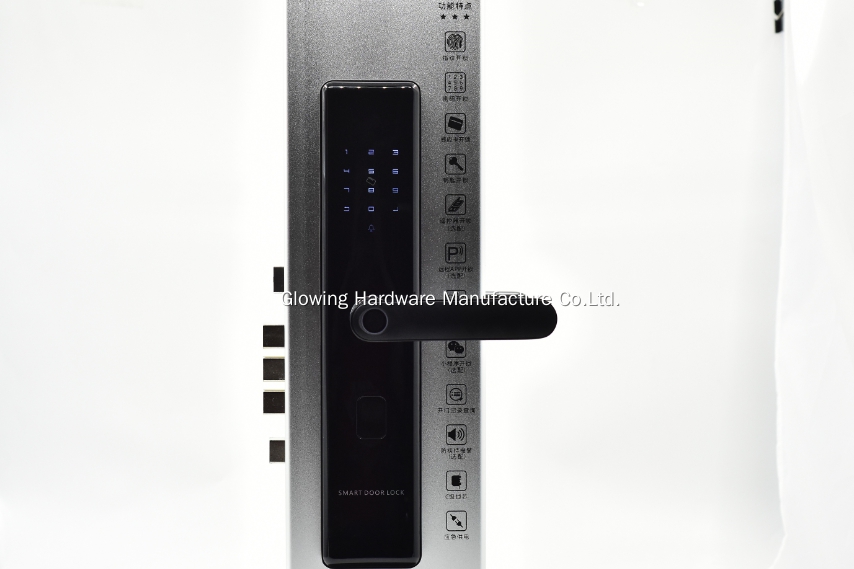
With a traditional lock, changing access usually means cutting more keys or replacing cylinders. A digital lock makes that much simpler. Our Electric Digital WIFI Mobile Lock is built around that kind of practical use. It supports password access, fingerprint unlocking, RFID card access, and mobile app control, so changing a code becomes part of normal access management rather than a special repair job. It is also made for wooden doors, metal doors, steel doors, interior doors, and outer doors, which makes it easier to use across different project types.
Most people do not change a code just for convenience. They do it because access has changed. A guest should no longer get in. A former employee should no longer have permission. A new tenant should not be using the previous tenant’s code. In all of these situations, the door itself is fine. The issue is simply that access needs to be updated.
That is one reason digital locks have become more attractive in recent years. Instead of replacing hardware every time user permissions change, the same lock can keep working while the access settings are updated. This is especially useful in rentals, offices, hotel rooms, and managed properties where user turnover is more common. Our lock is designed for that kind of use, with digital authorization methods that let managers add, change, or remove permissions without changing the whole lock body.
A good digital lock should not make users feel nervous every time they need to update a code. In normal use, code changes should follow a clear management path, usually through the keypad, the app, or the administrator settings. The exact steps vary by system, but the principle stays the same: verified users should be able to update access without taking the lock apart or calling for replacement parts.
That is what makes a keyless system more practical in real life. It turns a security change into a settings change. Our lock supports remote management through a mobile app, which allows administrators to manage user permissions and issue temporary passwords with time limits. For many buyers, that is far more useful than a lock that looks modern but still behaves like old hardware once access needs change.
The more users a door has, the more important code management becomes. In one home, changing a code might happen only occasionally. In a rental property, office, or hospitality setting, it can happen all the time. Staff come and go. Tenants change. Temporary access needs appear every week.
This is where a smart access system becomes much more valuable than a simple keypad. Our lock supports around 100 user credentials across passwords, fingerprints, and RFID cards, which gives one unit enough flexibility for multi-user environments. That matters to project buyers because it means one lock can support different entry methods for different people instead of forcing everyone into the same routine.
For distributors and property buyers, this also makes the product easier to position. It is not only a door lock. It is an access tool that can adapt to changing user lists without adding extra hardware.
A lot of buying decisions in this category are no longer driven by appearance alone. People may start by comparing finishes or handle styles, but they usually end up asking a much more practical question: how easy is this lock to live with after installation?
That is why searches for the best keyless door lock are often really searches for simpler daily management. Buyers want fewer lost-key problems, fewer access disputes, and fewer calls to fix a lock that is not actually broken. They want a lock that can handle everyday changes without creating extra labor. That is exactly where digital password management, app control, and temporary access features make a difference. Our lock combines those functions in one system, which makes it better suited to modern access needs than a code lock with only one fixed entry method.
Changing a code becomes even more useful when it can be done without being physically at the door. That is one of the strongest advantages of connected locks. In managed properties and commercial settings, remote access control can save time and reduce coordination problems.
Our lock supports remote unlocking, user management, and temporary password creation through the mobile app. For landlords, that can simplify guest or tenant access. For offices, it can help with staff permissions. For hospitality operators, it can reduce the need for repeated on-site handover. In all of these cases, the value is not just that the lock opens. The value is that access can be adjusted in a cleaner way.
This is also one reason digital locks are gaining ground in project supply. They solve recurring management issues, not just door security in the narrow sense.
A smart lock is still Door Hardware. No matter how good the code management is, the product still has to feel solid on the door and stay stable over time. That matters even more in office entries, hotel rooms, rental units, and retail spaces where the lock may be used many times every day.
Our lock uses high-quality aluminium alloy, and its operating range is listed at minus 10 degrees Celsius to 70 degrees Celsius with 20 percent to 90 percent relative humidity. The structure also includes a zinc alloy and stainless steel combination in the lock body, with testing for more than 50,000 opening and closing cycles. For buyers, those details matter because a code-change feature is only useful if the hardware itself remains dependable over time.
For larger buyers, the hardware is only one part of the decision. The other part is supply. Can the same product be reordered consistently? Can it fit different door types? Can it work across residential and commercial projects? Can the supplier support rollout, training, and after-sales needs?
This is where supplier capability starts to matter. Our lock is offered with online technical support, onsite training, and onsite inspection, and it is supplied on a wholesale basis with a MOQ of 100 sets and a typical delivery time of 40 days. It is also described for use by door factories, supermarkets, estate project developers, and traders. That makes it more relevant to project business than a lock sold only as a one-off consumer item.
OEM and ODM support also matter here. Not every buyer needs a new design from zero, but many do need adjustments in packaging, fit, finish direction, or broader product planning. A supplier who understands that makes the lock easier to place in dealer programs, property projects, and branded hardware lines.
The real value of changing a code is not the code itself. It is what that change represents. It means the lock is still useful even when the people using the door have changed. It means the access system can adapt instead of being replaced. It means the product keeps working as daily life changes around it.
That is why digital locks are becoming less of a novelty and more of a practical standard. People want doors that are secure, but they also want doors that are easier to manage. A lock that lets users update access cleanly is simply more suited to how homes, rentals, offices, and managed spaces work now.
So, how to change code on door locky in a way that actually helps? The most practical answer is to use a lock designed for controlled digital access, where changing a code is part of normal management rather than a complicated repair step. That is where keyless systems make a real difference.
Our electric digital WiFi mobile lock is made for buyers who want more flexible access control, easier code management, and a smarter way to handle daily entry across residential and commercial doors. If you are building a smart lock range, sourcing for a project, or looking for a supplier that can support wholesale orders as well as OEM or ODM cooperation, send us your door type, quantity, or project needs. We can help you sort out a more suitable solution for your market.
Previous: