
A loose lever door handle is more than just an inconvenience; it affects the smooth operation of the door and may eventually damage the internal mechanism if left unresolved. lever handles naturally loosen over time due to frequent use, subtle vibrations, or shifting screws inside the mounting plate. The good news is that tightening or repairing a loose handle is usually straightforward, and it can often be completed without replacing the entire hardware set. Understanding how the mechanism works and identifying the source of looseness allows you to restore stability while extending the lifespan of the handle. High-quality handles, such as the durable models from the Glowing Hardware stainless steel lever handle collection, are engineered to remain stable longer, but even these may require occasional adjustment after extended use.
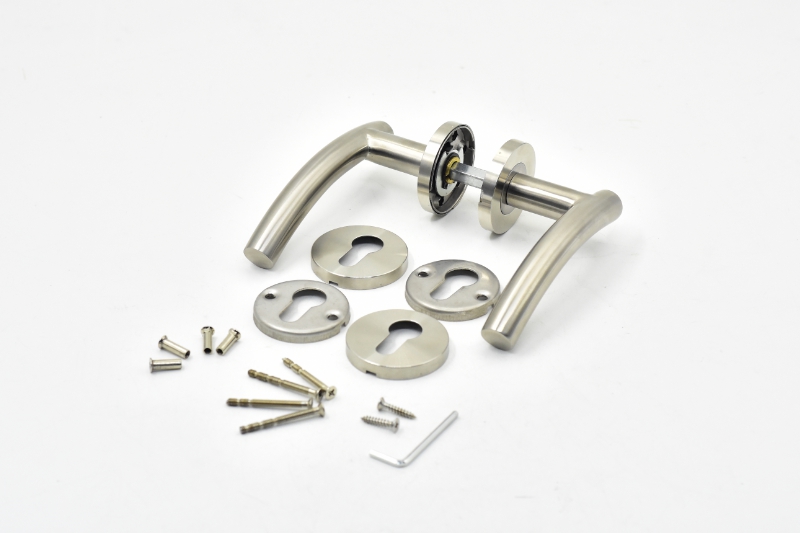
Lever handles are designed to rotate smoothly and return to place, but this motion repeatedly stresses the internal screws and the spindle—the metal bar connecting the two sides of the handle. Over months or years of use, these parts may begin to shift or loosen. Environmental factors also contribute. Doors exposed to temperature changes may expand or contract slightly, causing mounting screws to lose tension. Household humidity, frequent slamming, and old latch mechanisms can accelerate the problem.
When a handle starts wobbling, it is usually caused by one of three areas: the mounting plate screws, the spindle connection, or the set screw beneath the lever. Understanding these three components helps pinpoint where to tighten or adjust, especially when dealing with premium designs like the Glowing Hardware stainless steel lever handle, which uses stronger internal assemblies that resist wear.
Before fixing a loose lever handle, you must diagnose the exact cause. Not all loose handles show the same symptoms, and understanding the difference prevents unnecessary damage. Some handles feel loose when grabbed from the side, while others wobble only when rotated. These signs indicate which component requires attention.
Common problem areas include:
Loose mounting screws: The backplate or rose begins to shift away from the door surface.
Loose set screw: Located under the lever, it secures the handle to the spindle.
Worn or shifting spindle: The rod connecting both sides of the handle may not be firmly engaged.
Misaligned internal mechanism: Over time, the latch assembly may shift slightly, making the handle feel unbalanced.
For users with modern concealed-screw handle designs—including those similar to the Glowing Hardware stainless steel lever handle—the set screws may be hidden under a decorative cover plate. These should be removed carefully to avoid scratching the finish.
While lever handles vary slightly in structure, most can be repaired using basic tools such as a screwdriver, an Allen key, and a small pry tool for removing the decorative plate. The following steps outline the general process to restore handle stability.
Some handles include a spring-loaded or threaded cover that hides the screws. Gently pry or rotate it to expose the mounting screws.
Use a screwdriver to tighten the screws that secure the handle to the door. This step often resolves most cases of looseness.
Many lever handles have a small screw beneath the handle that secures the lever to the spindle. Tighten it with an Allen key to eliminate wobbling during rotation.
If the spindle slides freely or does not feel secure, adjust its position or replace it with a stronger one.
Once tightened, reinstall the decorative plate and test the handle several times to ensure smooth operation.
These steps apply to most residential and commercial lever handles, including premium stainless steel options such as the Glowing Hardware stainless steel lever handle, which are engineered to maintain alignment under frequent use.
In some cases, a handle continues to loosen even after all screws are tightened. This is usually a sign of deeper mechanical issues, especially if the handle is old or installed incorrectly. Understanding these possibilities helps you decide when to replace a component rather than repeatedly adjusting it.
Here are typical underlying problems:
| Issue | Cause | Solution |
|---|---|---|
| Worn spindle | Years of rotational stress | Replace spindle |
| Stripped mounting holes | Screw holes expanded | Fill and re-drill |
| Damaged set screw threads | Metal fatigue or over-tightening | Replace screw |
| Weak internal springs | Aging latch mechanism | Replace latch unit |
| Incorrect backplate alignment | Poor installation | Realign and refit |
Premium handles—like those in the Glowing Hardware stainless steel lever handle range—use stronger spindles and reinforced mounting components to minimize these problems, but no hardware is immune to long-term wear.
A repaired handle should stay secure for a long time if treated properly. Most future looseness can be avoided through simple preventive measures. These habits also protect the door, the latch, and the internal hardware.
Helpful maintenance practices include:
Avoid pulling the door by the lever; use the door edge when possible.
Do not slam the door, which loosens internal screws over time.
Apply a small amount of thread-locking compound to screws during reinstallation.
Periodically check the set screw, especially in high-traffic areas.
Ensure that children do not swing or hang on the lever handle.
High-quality handle construction plays a large role in long-term stability. Models like the Glowing Hardware stainless steel lever handle feature balanced levers, reinforced internal springs, and precise machining to reduce unnecessary movement.
Most loose lever handles can be repaired easily, but replacement may be the better option if the hardware is significantly worn. If the handle wobbles even after spindle adjustment or the mounting holes are stripped beyond repair, a new handle ensures the door functions safely and smoothly. Replacement is also an opportunity to upgrade to a more ergonomic, durable, or visually appealing model.
When considering replacement:
Check if the existing backset and latch dimensions match standard sizes.
Choose a stainless steel handle for durability and corrosion resistance.
Select concealed-screw designs for better aesthetics.
Ensure the handle includes a solid spindle and reinforced internal springs.
The polished, robust designs in the Glowing Hardware stainless steel lever handle series provide long-term stability and a refined appearance, making them an excellent upgrade when old hardware becomes difficult to repair.
Fixing a loose lever door handle is usually a quick process that involves tightening mounting screws, adjusting the set screw, or securing the spindle. Proper diagnosis helps identify whether the looseness comes from surface-level issues or deeper internal components. Preventive practices—combined with durable, well-engineered hardware—ensure the handle stays secure for years. For users seeking a long-lasting upgrade, the Glowing Hardware stainless steel lever handle range delivers reliability, smooth rotation, and a professional finish that enhances both function and appearance.
Previous: Why Use Lever Door Handles?