Installing commercial Door Hardware requires precision, structural understanding, and the correct selection of materials to ensure long-term performance. Unlike residential installations, commercial environments—such as hotels, office towers, industrial buildings, and architectural engineering projects—place heavy demands on door systems. These doors must withstand high-traffic usage, meet safety requirements, and operate smoothly over thousands of opening and closing cycles. To achieve this, many professionals choose engineered solutions like Glowing Hardware’s commercial door hardware, designed specifically for durability, load-bearing strength, and installation flexibility.
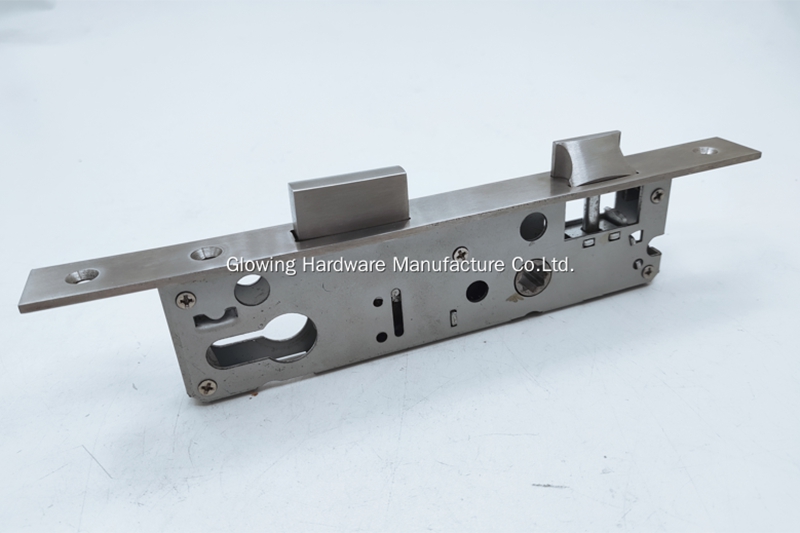
Commercial door hardware includes hinges, panic bars, door closers, locksets, lever handles, strike plates, and mounting accessories. Each component interacts with the door leaf and frame to create a functioning system. The construction industry often requires hardware that complies with fire-rating standards, corrosion resistance, and safety certifications. Materials such as stainless steel and reinforced alloy provide stability under constant stress.
Commercial hinges, for example, must support heavier door weights found in hotels or architectural engineering projects. Locksets require precise alignment to ensure reliable security. For high-frequency environments, Glowing Hardware offers a selection of door hardware engineered to meet demanding specifications expected by foreign design firms, trading companies, and manufacturers requiring OEM production capabilities.
A successful installation begins with assessing the opening. Commercial frames may be metal, wood, or fire-rated composite. The door thickness influences which hinge size and lockset design can be installed. Measurements must be conducted carefully to avoid misalignment.
The installer should examine:
Door height, width, and thickness
Hinge mortise depth
Lock borehole size
Strike plate location on the frame
Door weight and required load-bearing capacity
In large hotel renovation projects or new construction engineering, preparation is essential because any misalignment creates operational issues across entire floors of rooms. Glowing Hardware’s design team often assists OEM or project-based clients by offering technical drawings and specification support, ensuring the correct door hardware is selected at the planning stage.
Commercial buildings often have pre-installed hardware that must be removed before upgrading. Removing hinges requires supporting the door to prevent unexpected drops. Once hinges are unscrewed, the door can be detached from the frame. Locksets and handles should be removed by accessing mounting screws inside the assembly.
After removal, surfaces must be cleaned and repaired. Old screw holes may require reinforcement. Mortises that were cut inaccurately may need chiseling or leveling. Smooth, prepared surfaces ensure that new hardware—especially precision-designed hardware like Glowing Hardware’s components—fits tightly and functions without resistance.
Hinge installation determines the door’s swing, load distribution, and long-term stability. Commercial doors typically use three hinges: top, middle, and bottom. The top hinge carries the most weight, so installers must secure it firmly to avoid long-term sagging.
Steps generally include aligning hinge leaves with existing mortises, marking screw locations, drilling pilot holes, and securing the hinges with stainless-steel screws. A level is essential to confirm vertical alignment. High-quality hinges from Glowing Hardware’s door hardware collection are designed for consistent movement, corrosion resistance, and long service life in demanding environments.
| Hinge Type | Use Case | Installation Requirement |
|---|---|---|
| Standard Commercial Hinge | Office & hotel doors | Flush alignment with frame |
| Heavy-Duty stainless steel hinge | Fire doors & engineering projects | Reinforced screw anchoring |
| Ball-Bearing Hinge | High-frequency doors | Smooth opening with minimal wear |
Lock installation is more complex due to internal components. Cylindrical and Mortise Locksets differ significantly. Mortise locks require a deep cavity in the door and offer higher security, making them common in commercial buildings.
Installers must ensure:
The latch aligns with the strike plate
The handle turns smoothly
The lock body sits flush inside the cavity
The bolt projects correctly into the frame
Commercial projects often require locksets that integrate into access control systems or security requirements. Glowing Hardware provides various models within its door hardware range that support engineering-level specifications and customization options for OEM production.
Door closers control the speed at which a door closes, preventing slamming in high-traffic areas. They must be mounted according to manufacturer diagrams, ensuring correct arm positioning and tension. Panic bars, viewer lenses, kick plates, and automatic sealing strips may also be required depending on building safety codes.
Each additional component contributes to the overall performance of a commercial door. Correct installation ensures the hardware functions in unison, protecting the building and individuals who use the doors every day.
Once installation is finished, thorough testing is required:
Does the door open smoothly without scraping?
Does it close fully and latch securely?
Does the lock operate without resistance?
Are the hinges silent and stable?
Is the strike plate perfectly aligned?
Misalignment can lead to premature hardware wear or door malfunction. In hotel projects—where thousands of operational cycles occur yearly—testing ensures long-term reliability. Hardware from Glowing Hardware’s door hardware collection is structured to maintain alignment and smooth performance under continuous use.
Even experienced installers encounter challenges. Commercial environments often reveal issues like warped frames, uneven flooring, incorrect door thickness, or outdated mortise dimensions. Below is a helpful reference table for common problems and solutions.
| Issue | Possible Cause | Solution |
|---|---|---|
| Door scraping floor | Hinge sag | Reinstall top hinge / tighten screws |
| Latch not engaging | Strike misalignment | Adjust strike plate position |
| Door not closing fully | Closer tension incorrect | Adjust closer arm tension |
| Handle wobbling | Loose mounting screws | Reinforce internal mount |
| Lock misfire | Incorrect mortise depth | Re-cut cavity for proper fit |
Glowing Hardware frequently supports clients with installation guidance, helping solve technical problems through professional consultation, engineering feedback, and OEM customization services.
Commercial building environments differ greatly:
Hotels require quiet, smooth hinges and reliable locksets
Engineering projects demand heavy-duty and fire-rated hardware
Foreign design firms look for aesthetic consistency and long-term performance
Manufacturers needing OEM solutions require flexible production capabilities
Glowing Hardware’s extensive door hardware product line addresses each of these needs by providing durable, corrosion-resistant, installation-friendly components that support both design and engineering expectations.
Installing commercial door hardware is a detailed process that requires structural understanding, accurate alignment, and high-quality materials. From preparation to final testing, each stage influences durability, safety, and user experience. For hotels, engineered buildings, and professional construction projects, selecting reliable, precision-made components is essential. Glowing Hardware’s door hardware provides the strength, stability, and customization capabilities needed to meet modern commercial standards. With proper installation and regular maintenance, commercial doors will deliver long-term performance, smooth operation, and enhanced safety for every environment.
Previous: Should You Paint Door Hinges?