
Installing a hinge directly onto a glass panel is a common practice in modern architectural and interior design, especially in bathrooms, offices, and commercial spaces. While glass may appear fragile, properly engineered hardware and correct installation methods make hinged glass panels both safe and durable. This article explains whether a hinge can be mounted on glass, how it works, and what factors must be considered to ensure long-term performance.
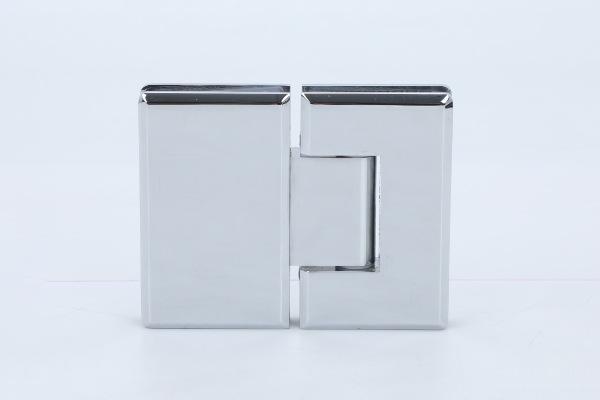
Unlike wooden or metal doors, glass panels cannot be drilled or screwed into casually after manufacturing. Most hinged glass installations rely on clamp-style or pre-drilled glass hinges that distribute load evenly across the glass surface. These hinges use internal plates and protective gaskets to grip tempered glass without creating point stress.
In frameless systems, the hinge becomes a structural component rather than a decorative accessory. It must support the full weight of the glass panel while allowing controlled movement. This is why hinge-to-glass compatibility is determined during the design stage, not after installation.
Not every type of glass panel can accept a hinge. Safety and performance depend heavily on the glass specification. Tempered glass is the industry standard for hinged applications because it offers high strength and predictable breakage behavior.
Key requirements typically include:
Tempered safety glass, usually 8–12 mm thick
Clean, polished edges to reduce stress concentration
Accurate dimensional tolerances for hinge positioning
Predefined mounting areas free from defects
Laminated glass may also be used in some commercial systems, but hinge selection must account for its layered structure.
There are two primary ways to install a hinge on a glass panel. Each method has different implications for strength, appearance, and adjustability.
• Clamp-on hinges
These wrap around the glass edge and use compression to secure the panel. They are widely used in shower doors and partitions because they avoid drilling and allow easier replacement.
• Pre-drilled glass hinges
These require holes to be cut during glass manufacturing. The hinge passes through the glass, offering high stability for heavy panels and high-traffic environments.
The choice depends on project requirements, glass thickness, and load expectations.
A hinge on a glass panel must support both static weight and dynamic forces from opening and closing. Load ratings are not just theoretical numbers; they directly affect safety and service life.
When selecting hinges, consider:
Maximum door weight supported per hinge
Recommended number of hinges per panel
Opening angle limitations
Wall or glass-to-glass mounting conditions
Using hinges that are properly rated for the glass size reduces the risk of sagging, misalignment, or glass failure over time.
One advantage of modern glass hinge systems is controlled adjustability. While glass itself cannot be reshaped, hinge positioning allows minor corrections in door alignment. This is essential for maintaining even gaps, proper sealing, and smooth movement.
Adjustment typically focuses on:
Vertical door height
Parallel alignment with adjacent panels
Closing position relative to seals or walls
Precision-machined hinges with consistent clamping force simplify this process and reduce the need for frequent readjustment.
Hinges on glass panels are used across many architectural settings, not limited to bathrooms. Their clean appearance and functional reliability make them suitable for both residential and commercial projects.
Typical applications include:
Frameless shower doors
Office glass partitions
Retail display enclosures
Hotel and hospitality interiors
Balconies and glass access doors
Each application places different demands on hinge performance, making correct specification critical.
The success of hinging a glass panel depends heavily on hardware quality. Well-designed hinges combine strength, corrosion resistance, and precise tolerances to protect the glass over years of use.
As a manufacturer focused on architectural glass hardware, Glowing Hardware provides glass hinge and clamp systems designed for stable glass mounting and controlled movement. These solutions are engineered to support common glass thicknesses and project requirements while allowing reliable installation and adjustment.
Selecting hinges from a dedicated glass hardware supplier reduces compatibility risks and improves long-term performance.
Even with suitable hinges and glass, proper installation determines final results. Planning should account for wall structure, floor level, and surrounding materials. Hinges must be installed square and tightened evenly to avoid uneven pressure on the glass.
Best practices include:
Verifying glass specifications before hardware selection
Using protective gaskets as supplied
Tightening screws in a balanced sequence
Testing movement gradually after installation
Attention to these details ensures the hinge works with the glass rather than against it.
Yes, a hinge can be safely and effectively installed on a glass panel when the correct glass type, hinge design, and installation method are used. Hinged glass systems rely on engineered hardware to distribute loads, protect the glass, and maintain smooth operation over time. By understanding how glass hinges function and selecting properly designed components, both residential and commercial projects can achieve durable, elegant, and reliable hinged glass installations.