
A loose door lock is not just a minor hardware issue. It directly affects security, user safety, door lifespan, and daily convenience. Ignoring a loose lock can lead to complete lock failure, door damage, or compromised access control. This article explains why a loose door lock should be repaired, the most common causes, step-by-step repair methods, important precautions, and how professional support can help when problems persist.
A door lock is a structural and security component. When it becomes loose, the force applied during opening and closing is no longer evenly distributed. Over time, this leads to accelerated wear of internal parts and mounting points.
A loose lock can:
Reduce locking strength and compromise security
Cause misalignment between latch and strike plate
Increase wear on door panels and frames
Create difficulty when locking or unlocking
Lead to sudden lock failure without warning
Repairing the issue early helps avoid costly replacements and maintains safe, reliable door operation.
Door locks loosen gradually rather than suddenly. Understanding the root cause is essential for choosing the correct repair method.
Typical causes include:
Repeated daily use causing screws to back out
Door movement due to humidity or temperature changes
Improper installation or insufficient screw depth
Door sagging from hinge wear
Internal lock mechanism wear over time
In high-traffic residential or commercial environments, these factors are even more pronounced.
Before making any adjustments, determine which part of the lock is loose. Not all lock movement originates from the same point.
Check the following areas:
Exterior and interior mounting screws
Handle or lock body movement
Latch stability inside the door edge
Strike plate alignment on the door frame
Correct diagnosis ensures the repair targets the actual problem instead of masking symptoms.
If the lock body or handle feels loose, external screws are often the cause. These screws hold both sides of the lock together through the door.
Repair method:
Open the door fully and support it
Tighten screws gradually and evenly
Alternate between screws to maintain alignment
Stop tightening once resistance is firm
Over-tightening should be avoided, as it can strip threads or damage door materials.
A lock may feel loose even when screws are tight if the latch does not align properly with the strike plate. This causes movement during locking and unlocking.
Adjustment steps:
Loosen strike plate screws slightly
Align the plate with the latch centerline
Retighten using longer screws if needed
Test smooth latch engagement
Proper alignment stabilizes the lock and improves overall door operation.
If external tightening does not solve the problem, internal lock components may be worn. Springs, cams, or connectors inside the lock body can lose tension over time.
In such cases:
Temporary fixes are often ineffective
Continued use increases internal damage
Replacement is usually the safest solution
Upgrading to a reinforced locking system helps eliminate recurring looseness.
Repairing a loose door lock requires attention to detail. Small mistakes can create new problems.
Important precautions include:
Always support the door during repair
Use the correct screwdriver size
Avoid forcing misaligned components
Replace stripped screws immediately
Do not modify internal mechanisms without experience
If resistance or instability persists, professional evaluation is recommended.
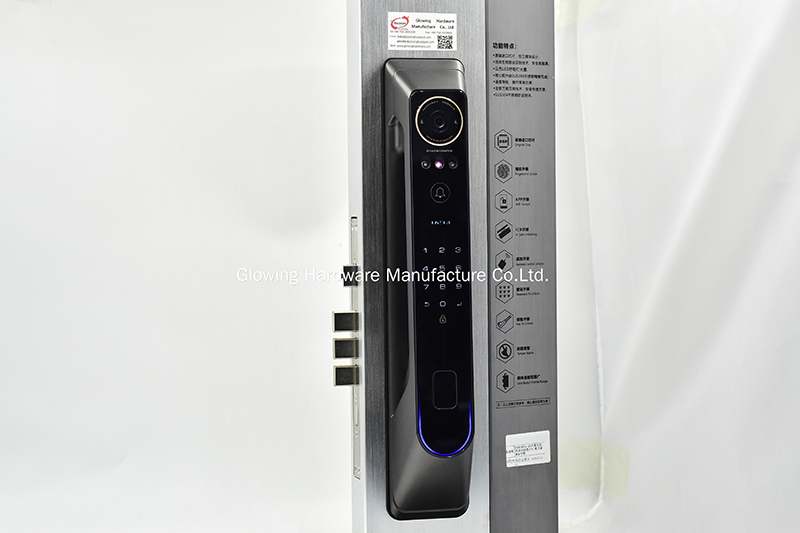
Traditional mechanical locks rely heavily on screws and moving parts, which can loosen over time. smart door locks are designed with reinforced structures and precise internal alignment.
Glowing Hardware offers smart door lock solutions engineered to provide stable installation, reduced mechanical play, and consistent locking performance. These systems are suitable for residential, hospitality, and commercial projects where long-term reliability is essential.
Some lock issues require more than basic adjustment. Professional support helps identify underlying causes and prevents repeated failures.
We provide:
Technical consultation for loose or unstable door locks
OEM customization for different door structures
Installation guidance to ensure correct alignment
Lock upgrade solutions for improved security and durability
If you are unsure about the cause of a loose lock or the correct repair method, you can consult our team for practical, project-oriented advice.
Repairing a loose door lock is essential for maintaining security, safety, and smooth door operation. By understanding why locks become loose, identifying common causes, and following correct step-by-step repair methods, most issues can be resolved effectively. When problems persist or internal wear is involved, professional consultation and upgraded locking solutions provide long-term reliability. Addressing lock issues early ensures stable performance and protects both the door and its users.