Installing a door eye viewer is one of the most practical upgrades for privacy and entry safety in homes, apartments, hotels, and commercial buildings. A correctly installed viewer lets occupants identify visitors without opening the door, reducing unwanted interruptions and improving day-to-day security. The installation is usually straightforward, but the final result depends on accurate measuring, choosing the right viewer length for door thickness, drilling a clean hole, and tightening the parts without damaging the door surface.
This guide explains how to install a door eye viewer step by step, what tools you need, common mistakes to avoid, and how to select the right viewer for different doors. It is written around the supply capabilities and product support offered by Glowing Hardware, including the Door Viewer range and the OEM support services available for project buyers.
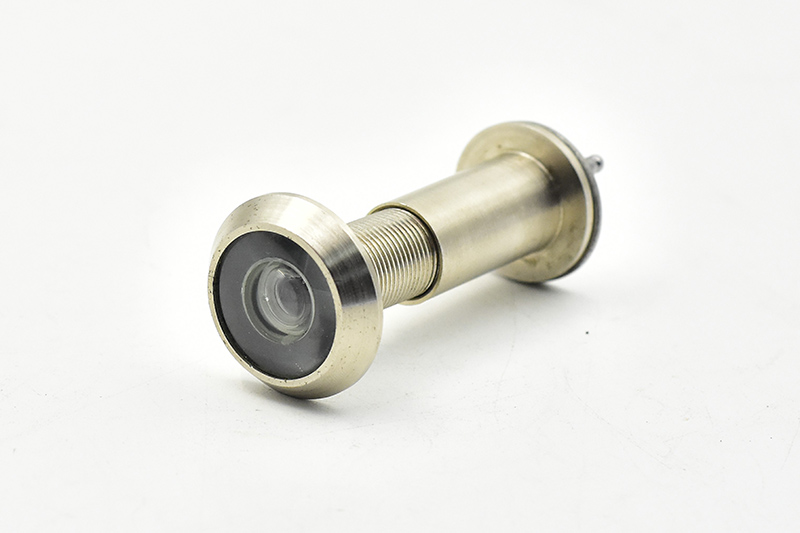
Most door eye viewers are made of two main sections that clamp through the door.
The exterior lens section is installed from the outside and provides the optical entry point.
The interior eyepiece section installs from the inside and allows the occupant to view through the lens.
When tightened correctly, these two parts compress against the door surfaces to create a stable, centered assembly. A secure fit helps prevent rotation loosening during long-term use and keeps the image aligned.
A clean installation is easier when the correct tools are ready and measurements are confirmed first.
Measuring tape or ruler for marking the center point
Pencil or fine marker for accurate positioning
Drill with suitable drill bits or hole saw matched to viewer diameter
Masking tape to protect the door surface and reduce splintering
Sandpaper or deburring tool to smooth the drilled edge
Screwdriver or installation tool if your viewer includes tightening assistance
If the door is hollow-core, careful drilling and controlled pressure help avoid chipping. If the door is metal, using an appropriate bit and controlled speed helps prevent rough edges.
Most Door Viewers are installed at a height that matches the average adult eye level. For residential doors, installers typically place the viewer around mid to upper section of the door. For buildings that serve mixed users, such as hotels or apartments, some projects choose a height that balances adult visibility and accessibility needs.
The best approach is to confirm the final height based on the building user profile and local standards, then apply the same height consistently across doors in the project.
Door thickness is a key fit factor. If the viewer is too short, threads may not engage fully, making the unit loose. If it is too long, it may bottom out before clamping tightly, causing wobble.
Measure door thickness at the installation area, then select a viewer model designed to match that range. If you are ordering for a project with multiple door types, standardizing viewer sizes by door thickness group reduces installation delays.
Glowing Hardware supports project buyers by offering selection guidance and OEM support for different door thickness requirements through the Door Viewer line.
Use a measuring tape to find the horizontal center of the door and mark the desired height. The center point must be accurate because even a small offset can create a tilted viewer, reduce viewing comfort, or cause the exterior lens to sit unevenly.
Applying masking tape over the drilling area helps reduce surface damage and makes marking clearer.
A pilot hole helps guide the final bit or hole saw and reduces the risk of slipping. Drill slowly and keep the drill perpendicular to the door surface. If the drill angle is off, the viewer may sit crooked and the image may not align properly.
For doors with decorative panels or thin veneer, drilling from both sides after the pilot hole is started can reduce splintering.
Use the drill bit or hole saw matched to the viewer tube diameter. The hole should be clean and slightly snug. A hole that is too large can cause the viewer to shift, while a hole that is too tight can scratch the tube and make assembly difficult.
When drilling, use controlled speed and steady pressure. For wood doors, avoid forcing the bit through. For metal doors, ensure you use a suitable metal bit and keep the tool stable to prevent jagged edges.
After drilling, remove wood chips or metal shavings and smooth the edge using light sanding or a deburring tool.
Place the exterior lens portion through the hole from the outside of the door. Ensure the lens face is flush and centered. If your door has a curved or textured exterior surface, verify that the exterior flange sits flat and does not rock.
From the inside, thread the eyepiece section onto the exterior tube. Tighten by hand first to avoid cross-threading. Once the parts engage smoothly, tighten until the assembly is secure and does not rotate easily.
Do not overtighten. Excess tightening can compress wood fibers, damage veneer, or distort the viewing alignment. A correctly installed viewer should feel stable, sit flush, and provide a clear image.
Stand at normal viewing distance and check the image. A good installation produces a stable, centered view without heavy blur or obstruction. If the viewer image looks off-center, the hole may be angled or the parts may not be seated flush.
If the viewer rotates too easily, tighten slightly. If the image is clear but the unit feels loose, re-check door thickness and thread engagement.
Misaligned hole causing tilted viewer
This usually happens when the drill is not perpendicular. Using a pilot hole and drilling slowly helps keep alignment correct.
Splintered veneer around the hole
Masking tape and drilling from both sides reduce surface tearing, especially on thin veneer doors.
Viewer feels loose after tightening
This is often caused by a mismatch between viewer length and door thickness, or an oversized hole. Confirm thickness and choose the correct tube length.
Difficulty threading parts together
Cross-threading is common when parts are forced. Start by hand, align carefully, and ensure threads engage smoothly.
Large projects often have multiple door materials and thickness ranges. A project-friendly installation workflow typically includes:
Door thickness survey before ordering
Standardized installation height across the project
Pre-selected drill size based on the viewer model
Trial installation on one door, then full rollout
Quality checks that confirm viewer stability and clear viewing
Glowing Hardware supports buyers who serve hotels and construction projects by providing OEM customization and installation guidance support, helping reduce on-site uncertainty and improve installation consistency. If your project requires custom dimensions or special requirements, Glowing Hardware can support sampling based on drawings and assist with fast molding development for consistent delivery.
You can review product options and contact support through the Door Viewer page.
In addition to product supply, many buyers prioritize service capability, especially when dealing with multiple sites or project timelines. Glowing Hardware provides a structured support model that includes OEM customization options, guidance for installation, and problem-solving support for customer concerns. This service focus is designed to help buyers reduce communication loops and move projects from sampling to rollout more efficiently.
A door eye viewer works best when it is installed with accurate measurement, a clean drilled hole, correct tube length for door thickness, and controlled tightening. The most important steps are confirming door thickness, drilling straight and clean, and ensuring the exterior and interior parts seat flush without over-compression.
For buyers who need reliable project supply and support, Glowing Hardware offers practical options through its Door Viewer range, along with OEM capability and installation guidance designed for hotel and construction applications.
Previous: How To Adjust A Door Stopper?