

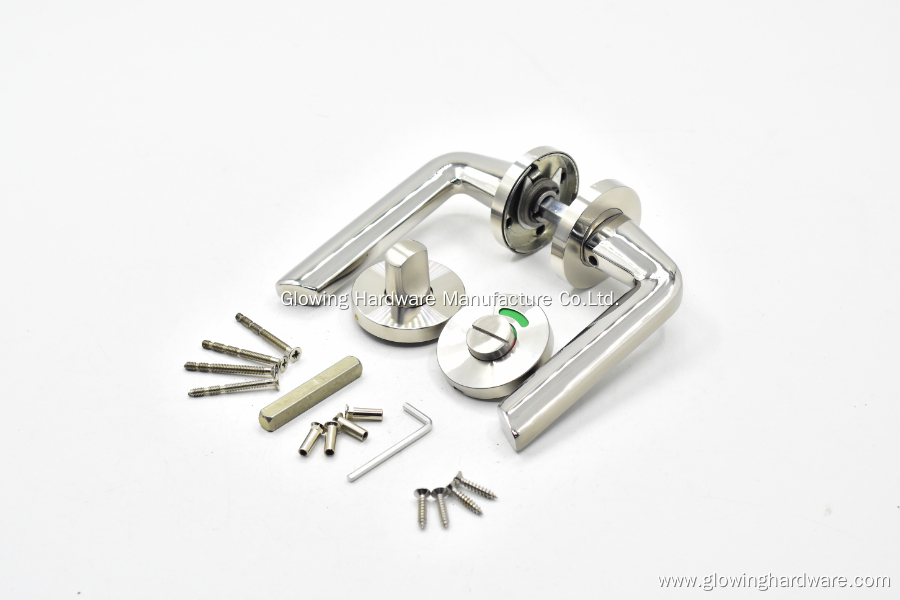
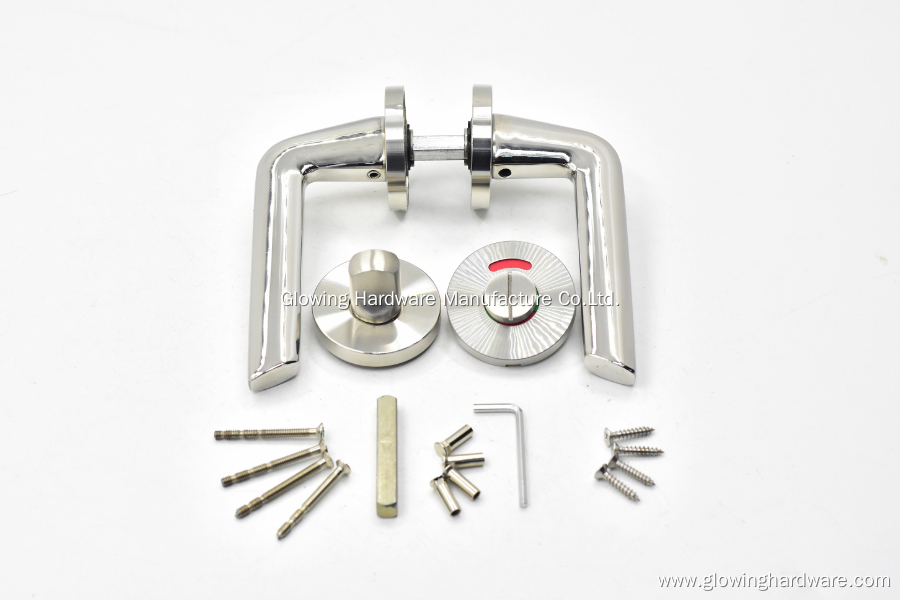
Stainless Steel Hollow Front Door Lever Handle
- Product Information
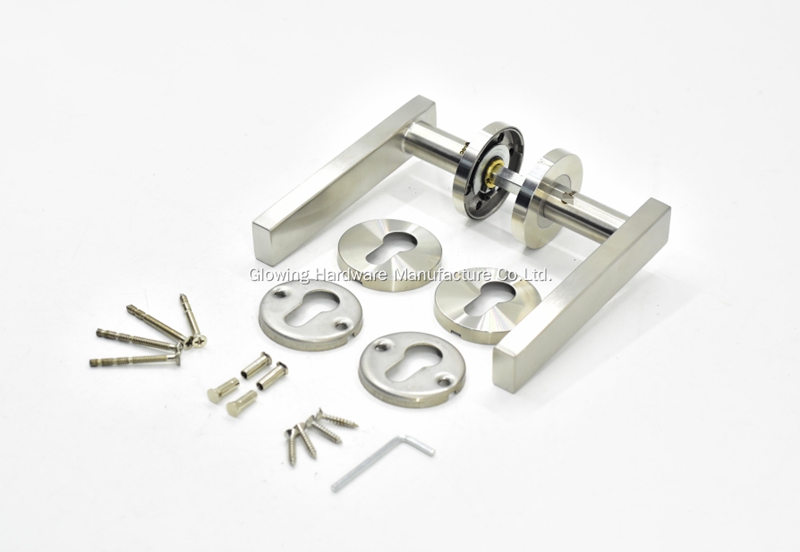
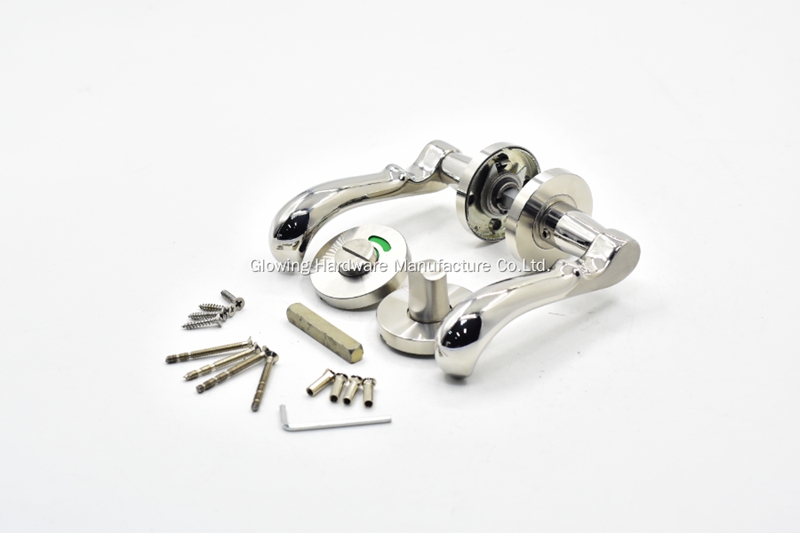
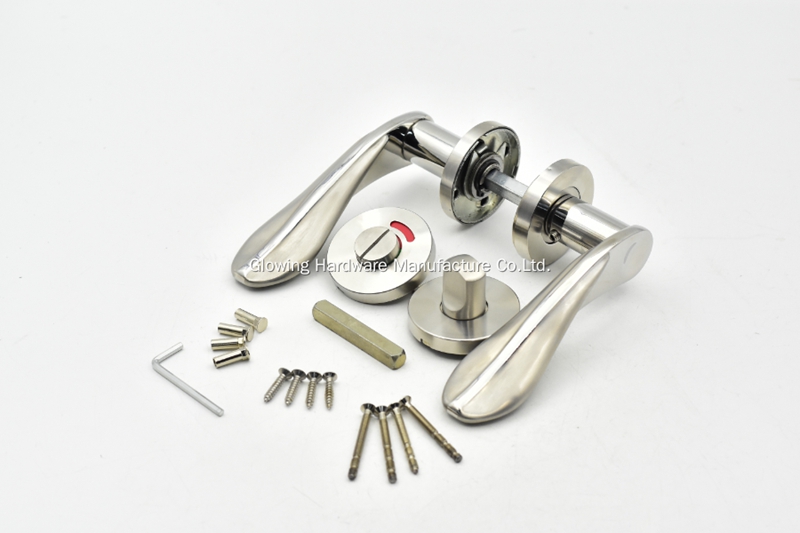
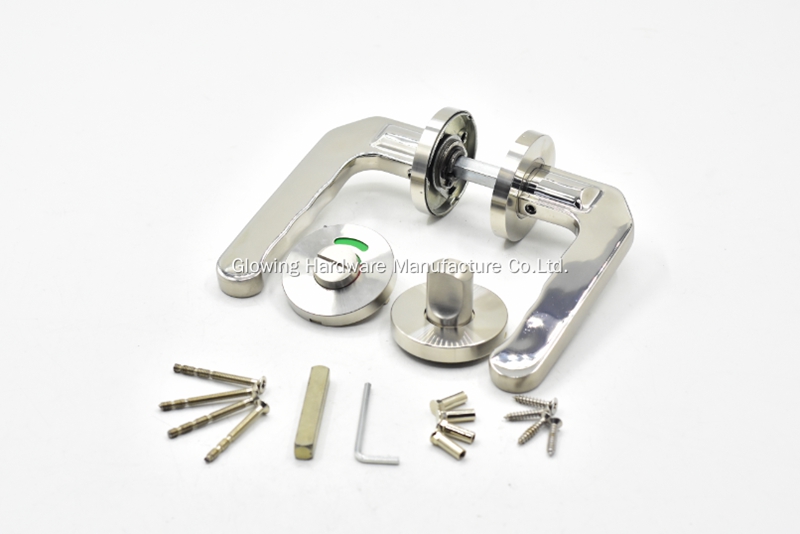
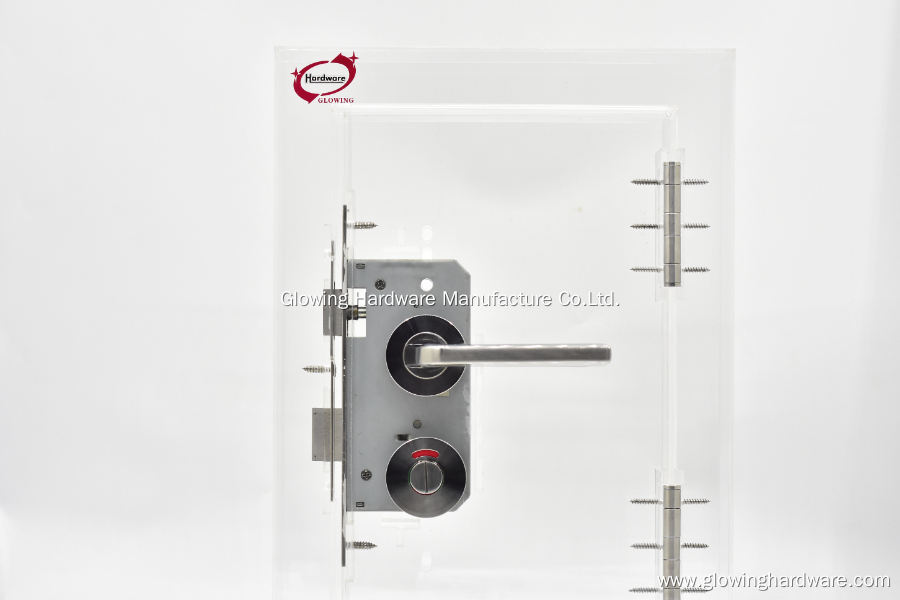
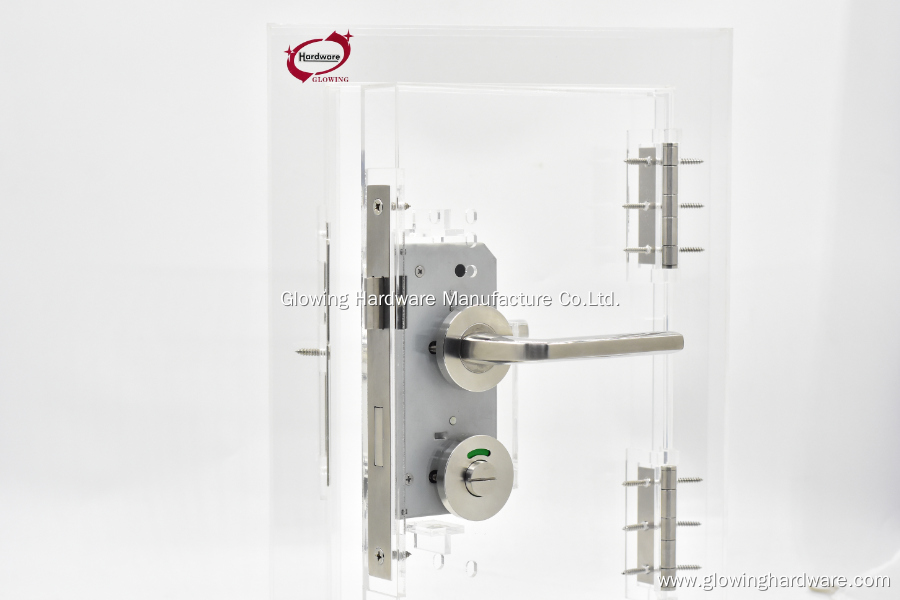
The Front Door Lever Handle is a functional door handle system designed for entrance doors and public access points. Its core components consist of a stainless steel handle, square spindle, lock body linkage mechanism, and decorative base, balancing smooth operation, security feedback, and long-term stable use. This product uses SS304 or SS316 stainless steel as the main material, and through precision machining and polishing, ensures that the handle maintains stable rebound and structural strength even under high-frequency use. Unlike ordinary interior door handles, the Front door lever handle emphasizes load-bearing capacity and operational consistency, and can be adapted to various door thicknesses and lock body structures. It also provides clear status feedback through indicator components, making it suitable for door systems requiring high durability, installation adaptability, and consistent appearance.
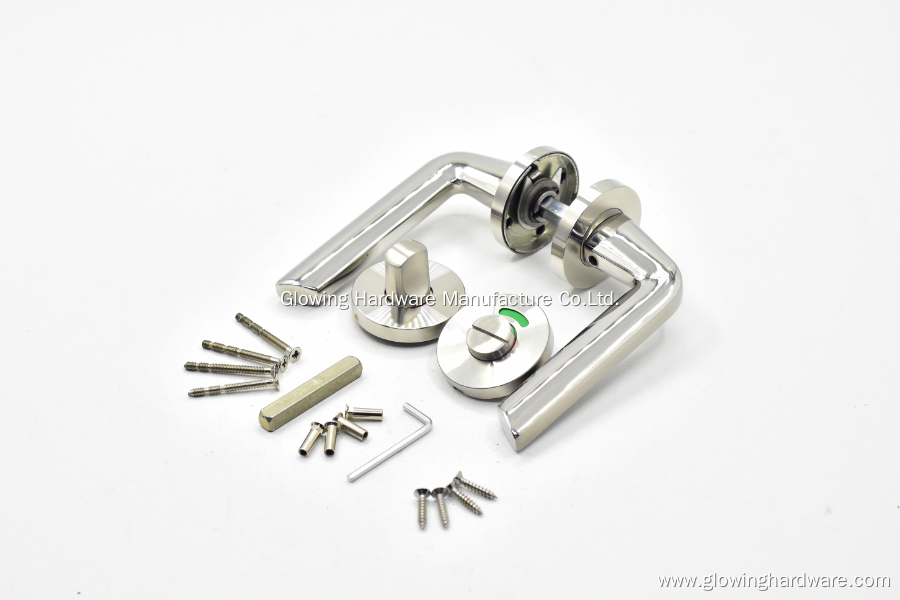
Front Door Lever Handle Parameters
| Model Number: | K125 |
| Product name: | Stainless steel hollow specail shape door handle |
| Material: | SS304 / SS316 |
| Handle size: | According to the sample or drawing |
| Rosette size: | φ53x9mm |
| Finish: | SSS/PSS/PVD/SN/CP/AB/ACM/PB/SB/customized |
| After-sale Service: | Online technical support, Onsite Training Onsite Inspection |
| Application: | House, Vliia, Hospital |
| Design Style: | Modern |
| Place of Origin: | Guangdong China |
| MOQ: | 300 SETS |
| Package: | White or Brown inner box, export carton |
| Lead time: | 35-40 Days |
Front Door Lever Handle Features
1. High Strength
The Front Door Lever Handle is manufactured from SS304 or SS316 stainless steel, with a tensile strength exceeding 520MPa. It resists deformation under frequent daily use. The handle body features an optimized wall thickness and a φ8mm square shaft power transmission design, resulting in a more even distribution of opening torque. This maintains a stable feel over long-term use, reducing the impact of metal fatigue on structural lifespan, making it suitable for high-frequency door systems.
2. Stability
The internal linkage structure utilizes precision machining to control assembly tolerances, with key connection points having a gap controlled within 0.2mm. This effectively prevents handle wobbling or incomplete return to the original position. Combined with a metal elastic return component, it achieves rapid rebound after the opening action, ensuring consistent operational feedback under varying temperature and humidity conditions, enhancing overall door control stability.
3. Corrosion Resistance
The handle surface is available in various finishes, including SSS, PSS, PVD, SN, and CP. The PVD coating, with a hardness of approximately HV1000, effectively resists long-term corrosion from sweat, moisture, and cleaning agents. Salt spray testing shows no significant corrosion after more than 72 hours, ensuring the Front Door Lever Handle maintains its appearance and structural reliability in humid or coastal environments.
4. Easy Installation
The product uses standardized square shafts and base specifications, and the handle mounting holes are designed with a unified modular system, compatible with common door thicknesses. Included fixing screws and positioning components reduce the need for secondary processing of the door during installation. With a well-designed assembly sequence, the Front Door Lever Handle can be positioned and fixed in a short time, improving overall installation efficiency and consistency.
5. Customizable
The Front Door Lever Handle supports customization of handle length, base size, and surface treatment options according to drawings or samples, suitable for different door types and project requirements. Handle angle, surface texture, and indicator components can all be adjusted, allowing for differentiated appearances while maintaining structural strength, meeting the requirements of engineering projects for uniform style and functional configuration.
Front Door Lever Handle Application
1. Residential Entrance Doors
In residential entrance door systems, the Front Door Lever Handle provides a stable opening and closing feel and clear operational feedback. Its high-strength structure is suitable for frequent daily use, and its corrosion-resistant surface treatment ensures reliable performance in different seasonal environments, contributing to the overall durability and user experience of the entrance door.
2. Villa Doors
Villa doors are typically larger in size, requiring higher load-bearing capacity from the door handle. The Front Door Lever Handle, with its reinforced structural design, maintains smooth opening and closing even with heavier door panels. Its various surface finish options also allow for easy coordination with the door material and overall appearance.
3. Hospital Passageways
In public passageways such as hospitals, the stable rebound and smooth operation of the Front Door Lever Handle help reduce the probability of misuse. The stainless steel material is easy to clean, and the surface treatment is resistant to disinfectants, meeting the dual requirements of reliability and durability in high-frequency cleaning environments.
4. Public Buildings
Public building entrances require high durability and consistency from door hardware. The Front Door Lever Handle, through its standardized structural design, facilitates unified procurement and maintenance, maintaining stable operation even under continuous use conditions, reducing the frequency of future replacements and maintenance.
5. Commercial Spaces
In commercial space entrance applications, the Front Door Lever Handle can be customized to match the overall decoration style. Its structural strength can withstand high-traffic usage scenarios while maintaining a good appearance, helping to maintain the overall quality of the space.
Front Door Lever Handle Installation
The installation process of the door lever handle is relatively simple, but the following points need to be noted to ensure the quality and safety of the installation:
Measurement and preparation: Before installation, you first need to measure the thickness and width of the door to ensure that the size of the door lever handle you choose is appropriate. At the same time, prepare the required installation tools and materials, such as screwdrivers, drill bits, etc.
Positioning and drilling: According to the installation instructions of the door lever handle, determine the installation position and drilling position of the handle. Use a drill to drill the corresponding installation holes on the door, paying attention to maintaining the accuracy and verticality of the holes.
Install the handle assembly: Install the various components of the door lever handle into the holes one by one, ensuring that the components fit tightly and are in the correct position. Use a screwdriver to fix the screws to ensure that the handle assembly is firmly installed on the door.
Install the lock cylinder and lock tongue: Install the lock cylinder and lock tongue mechanism to the door lever handle, and debug and test it as needed. Ensure that the lock cylinder can rotate and lock smoothly, and the lock tongue can extend and retract smoothly.
Inspection and testing: After installation, the door lever handle needs to be fully inspected and tested. Check whether the surface of the handle is flat and smooth, and whether it is loose or damaged. Test whether the handle switches smoothly and flexibly, and whether the lock can work properly.
During the installation process, you also need to pay attention to the following safety precautions:
Power-off operation: If the door lock has an electronic identification module (such as a fingerprint lock, password lock, etc.), you need to ensure that the power supply is disconnected before installation to avoid the risk of electric shock.
Use appropriate tools: During the installation process, use appropriate tools and materials to avoid using violence or improper operation methods that may cause damage or safety accidents.
Follow the installation instructions: During the installation process, you should carefully read and follow the product's installation instructions and operating procedures to ensure installation quality and safety.
Front Door Lever Handle Maintenance
1. Regular Cleaning
It is recommended to regularly wipe the surface of the door handle with a neutral detergent and a soft cloth to remove fingerprints and dust. Avoid using cleaning agents containing strong acids or alkalis to prevent long-term damage to the surface finish of the front door lever handle, which could affect its appearance and corrosion resistance.
2. Check for Tightness
During long-term use, regularly check the tightness of the handle's fixing screws and the connection to the square shaft to ensure there is no loosening. Timely tightening can prevent shaking caused by increased structural gaps, ensuring the front door lever handle maintains a stable opening and closing feel.
3. Prevent Impact
During handling or daily use, avoid direct impact on the handle surface with hard objects. Although stainless steel has high strength, continuous external impact can still affect the surface integrity and internal structural fit, thus shortening the lifespan of the front door lever handle.
4. Lubrication Maintenance
For frequently used doors, apply a suitable lubricant to the internal moving parts during annual maintenance to reduce friction and wear. Proper lubrication helps maintain the rebound efficiency and smooth operation of the front door lever handle.
5. Condition Monitoring
It is recommended to regularly check whether the handle's return speed and operating resistance have changed. If any abnormalities are found, adjustments or parts replacement should be performed promptly. Continuous condition monitoring can effectively extend the overall service life of the front door lever handle and ensure long-term stable operation.