Door Hardware is often selected by appearance, price, and basic size, but these points do not tell the full story. For contractors, distributors, wholesalers, hotel projects, apartment developments, and interior door suppliers, the real problems usually appear after installation. A lock that looks suitable may still cause poor alignment, unstable locking, difficult operation, or repeated maintenance.
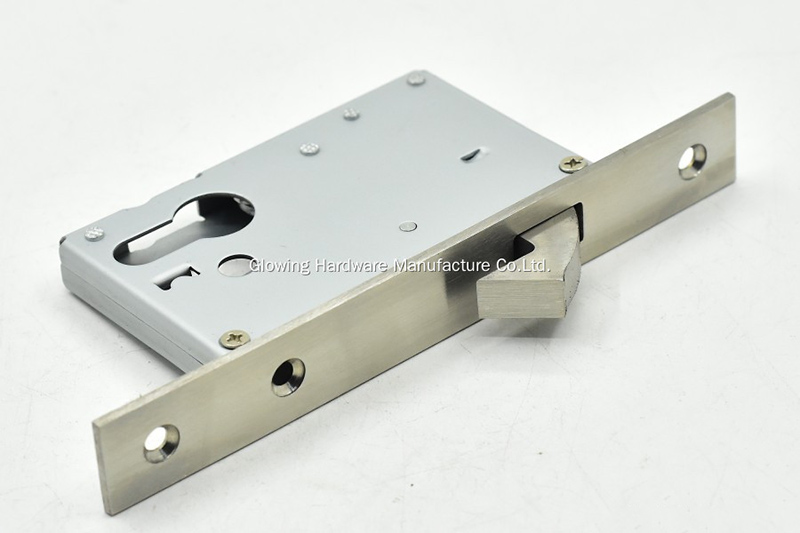
For sliding door projects, lock structure is especially important. Claw locks need to match the movement of the door, the frame position, and the strike plate. Our Claw Locks for Sliding Doors are designed for buyers who need practical locking solutions for residential interiors, office partitions, commercial spaces, and project-based door hardware supply.
One of the most common mistakes is choosing a lock before confirming how the door will be used. A sliding door needs a different locking method from a hinged door. If buyers choose a general lock without checking the door movement, the final installation may not close firmly or feel secure enough.
Claw locks are suitable for sliding doors because the hook-style mechanism helps engage with the receiving part and hold the door in place. This makes them useful for interior sliding doors, office partitions, hotel rooms, apartment layouts, and commercial renovation projects.
For bulk buyers, the wrong door hardware choice can create installation delays and extra labor costs. Once the door panel has been cut, changing the lock type becomes much harder.
Many buyers only think about the first installation, but replacement is also important. In commercial projects, door hardware may need to be replaced after years of use, tenant changes, renovation work, or damage. If the original lock size is uncommon, future replacement becomes difficult.
This is why Mortise Lock replacement should be considered during the sourcing stage. Buyers should confirm lock body dimensions, front plate size, backset, cylinder hole position, and strike plate compatibility before placing large orders.
A lock that is easy to match and replace can reduce future maintenance pressure. For distributors and project suppliers, this also makes after-sales service easier and helps protect long-term customer relationships.
The surface finish may help the product look professional, but the internal mechanism determines how the lock performs every day. For sliding doors, the claw part should move smoothly, engage firmly, and return properly after repeated use.
If the internal parts are weak or poorly aligned, users may experience rough operation, loose locking, or failure after frequent use. In offices, hotels, apartments, and commercial interiors, these issues can quickly become complaints.
Buyers should check sample operation before confirming bulk orders. A reliable lock should feel stable when opening and closing, without shaking, jamming, or uneven movement.
Door hardware projects depend heavily on accurate dimensions. Even a small difference in lock body size or front plate length can cause fitting problems on site. Installers may need to adjust the door cut-out, modify the frame, or replace parts.
For B-end buyers, this increases project cost and slows down delivery. In large projects with many doors, one small mismatch can become a repeated problem across the entire order.
Before ordering, buyers should confirm:
Door thickness
Lock body size
Front plate length and width
Backset
Cylinder hole position
Strike plate matching
Opening direction and installation layout
Clear confirmation helps reduce mistakes and keeps installation work more predictable.
In a single sample, small color differences may not seem important. In a hotel, office, apartment building, or commercial space, hundreds of locks may be installed in the same project. Any finish inconsistency becomes much easier to see.
Buyers should not only ask for a finish name. They should also check whether the supplier can keep stable color and surface quality across bulk production. This is important when the lock needs to match handles, hinges, cylinders, sliding door tracks, or other hardware.
For OEM / ODM buyers, finish consistency also supports brand positioning. A stable appearance helps distributors and wholesalers sell the product more confidently in their local market.
Door hardware is usually small, but poor packaging can still cause serious problems. Scratched faceplates, mixed accessories, missing screws, and unclear labels can delay installation and increase sorting work.
For project buyers, each lock set should be packed clearly and protected properly. Hardware kits should be easy to identify, and carton information should support warehouse management. This is especially useful for contractors, importers, and distributors handling bulk orders.
Good packaging does not only protect the product. It also helps the whole project move faster after delivery.
Many buyers compare only unit price, but supplier communication can strongly affect the final result. Door hardware orders often require drawing confirmation, sample checking, size discussion, finish selection, packaging planning, and delivery coordination.
As a door hardware supplier, GLOWING HARDWARE supports buyers with claw lock selection, OEM / ODM customization, size confirmation, and bulk order guidance. This helps customers reduce sourcing risk and choose suitable products for sliding door applications.
When selecting door hardware, buyers often overlook application matching, replacement compatibility, internal lock structure, dimension accuracy, finish consistency, packaging, and supplier communication. These details affect installation efficiency, long-term maintenance cost, and user satisfaction.
Our Claw Locks for Sliding Doors are suitable for interior sliding doors, office partitions, hotel rooms, apartments, commercial spaces, and renovation projects. For mortise lock replacement, bulk sourcing, OEM / ODM customization, finish selection, or size matching, you can share your door type and project requirements with us. We can help recommend suitable door hardware solutions before you place an order.