For real estate developers, hotel renovation contractors, and architectural hardware distributors, door handles are not small accessories that can be handled at the last minute. In large projects, every door needs matched hardware before room inspection, fire safety checking, handover, or guest opening can move forward.
When popular Stainless Steel Lever Door Handles face unstable lead times, the problem quickly spreads beyond purchasing. Site teams may finish painting, flooring, wall panels, and door installation, but still wait for handles before the final room can be accepted. This delay can affect handover schedules, contractor coordination, and project cash flow.
In hotel and apartment projects, buyers often prefer simple stainless steel lever handles because they match many room styles and are easier to specify across hundreds or thousands of doors.
The challenge is that popular models are also the first to face stock pressure. When several projects order similar specifications at the same time, suppliers with weak production planning may not be able to keep delivery stable.
Some project buyers wait until the decoration stage is almost finished before confirming Door Hardware. By that time, the installation window is already tight.
If the selected model is out of stock or the supplier cannot confirm production time, contractors may need to delay installation, split deliveries, or temporarily store unfinished doors on site. This creates additional coordination work that could have been avoided earlier.
Door handles are usually installed after doors, frames, paintwork, wall finishes, and flooring are mostly complete. This timing makes delays especially sensitive.
If handles arrive late, the project may look nearly finished but still fail final inspection. For hotels, this can affect room opening schedules. For real estate projects, it may delay unit delivery and increase pressure from owners or operators.
When a supplier can only ship part of the order, the project team must decide which floors, buildings, or room types receive hardware first.
This may sound manageable, but in large projects it can create confusion between procurement, warehouse staff, installers, and supervisors. Missing quantities, mixed batches, or inconsistent finishes may cause additional checking before installation.
Stainless steel is commonly selected for hotels, apartments, offices, schools, hospitals, and public buildings because door handles are touched repeatedly every day.
For project buyers, the material choice affects both appearance and long-term maintenance. A handle that wears too quickly may increase replacement work after the building starts operating.
Large projects often avoid overly complicated handle designs because they need consistent appearance, easier installation, and better replacement convenience.
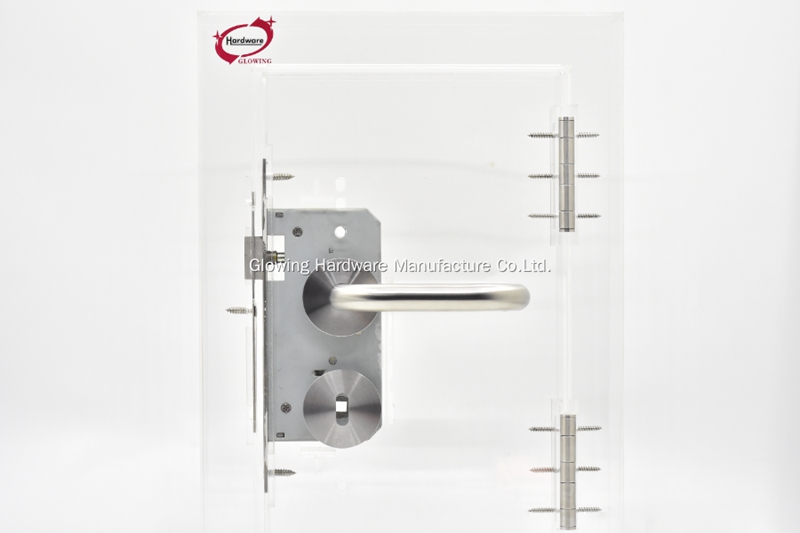
A u-shape lever handle is often suitable for project use because it provides a clean appearance and practical grip while matching different interior styles. Our U-shape stainless steel lever door handle can be reviewed by buyers who need a project-friendly style for bulk door hardware planning.
For Stainless Steel Lever Door Handles, stable delivery starts before production begins. Tube material, surface finishing, machining parts, screws, rosettes, and packing materials must all be prepared according to the project quantity.
If one component is delayed, the finished handle cannot ship on time. Buyers should ask whether the supplier can plan materials before mass production rather than only giving a general delivery promise.
A supplier may handle small orders smoothly but struggle with hotel or real estate orders that require large quantities within a fixed delivery window.
Before confirming bulk procurement, buyers should discuss quantity, delivery batch, installation date, finish requirement, and packaging method. This helps the factory arrange production more realistically.
When handles are delivered in several batches, finish consistency becomes important. A slight difference in brushed surface, color tone, or polishing direction may become visible when installed across the same corridor or floor.
For hotels and apartments, inconsistent door hardware can make the project look poorly managed, even when the function is acceptable.
If suppliers keep stable production records and finish control, installers can work more confidently. This reduces the need for repeated sorting, comparison, or replacement during installation.
For large projects, saving this on-site checking time can help protect the construction schedule.
A low quotation is not helpful if the supplier cannot deliver during the required installation period. Procurement teams should ask for realistic production lead time, current order load, material preparation time, and possible batch delivery plans.
This gives the project team a clearer schedule before signing the order.
Sample approval should not be squeezed into the final stage. Buyers need time to check grip comfort, finish, matching accessories, installation structure, and packing method.
Once the sample is approved early, mass production can begin with fewer changes and less delay risk.
When door handles are late, the project may face extra labor coordination, storage pressure, repeated site visits, and delayed handover. These costs may not appear on the purchase order, but they affect the project budget.
For hotels, delayed room opening may also affect expected revenue. For real estate projects, delayed handover can create pressure from developers, contractors, and buyers.
Construction teams rely on sequence. Doors, locks, handles, hinges, and final inspection must move together.
When hardware supply is stable, installers can complete work floor by floor or building by building. This keeps the project easier to manage and reduces unnecessary downtime.
Suppliers can plan better when they understand the actual project timeline. Buyers should provide the expected installation date, room quantity, door quantity, finish choice, and whether delivery needs to be arranged by batch.
This allows production and packing to follow the project rhythm instead of reacting after delays happen.
For large projects, packing is not only for protection. Clear carton labeling by floor, building, room type, or hardware model can help site teams find the correct parts faster.
This reduces installation confusion and helps prevent delays caused by mixed goods on site.
Door handles should be included in the project schedule earlier, not treated as a small finishing item near the end.
For developers, hotel renovation teams, contractors, and hardware distributors, early planning helps reduce the risk of missing installation windows when popular Stainless Steel Lever Door Handles are in high demand.
A reliable supplier should support not only production, but also quantity planning, finish consistency, batch delivery, packing discussion, and long-term supply communication.
Our team can help buyers review project quantity, installation timing, surface finish, and order arrangement before production. For more stainless steel door hardware information and project supply support, you can visit our website at https://www.glowingindustry.com/. Stable delivery often protects more than one purchase order; it protects the entire renovation schedule.